Lugo Galicia, Spain. Food, history, wine, and no tourists
Location and brief history
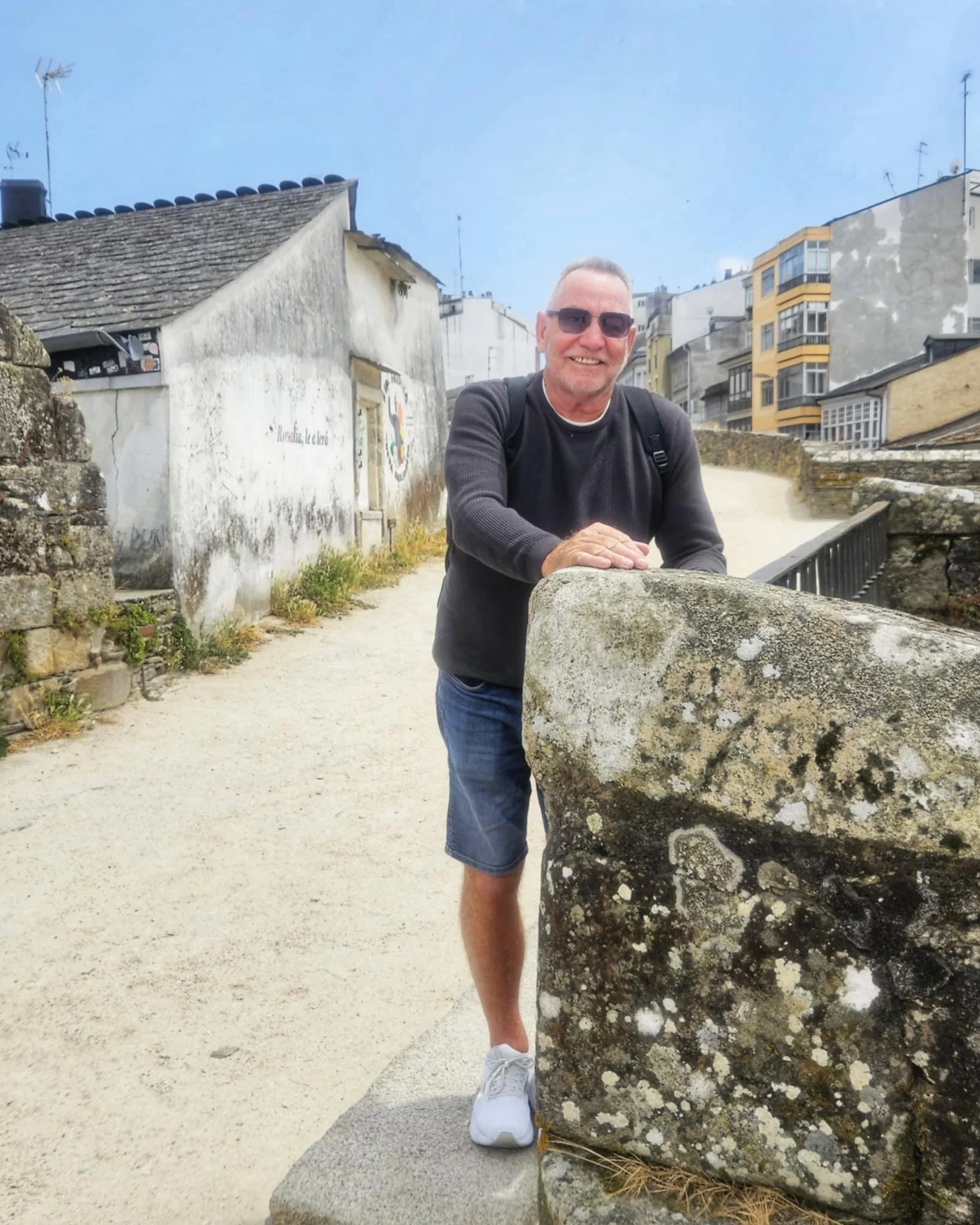
Lugo is a small city in inland Galicia, in northwest Spain, about an hour east of A Coruña. It began life as a Roman settlement in 14 BC and is one of the oldest cities in Galicia. Lugo’s Roman past is still very visible today, especially in its layout and surviving structures, which have shaped the city for more than 2,000 years. We spent two days exploring. We went to see the Roman Walls but were blown away with this little Galician town.
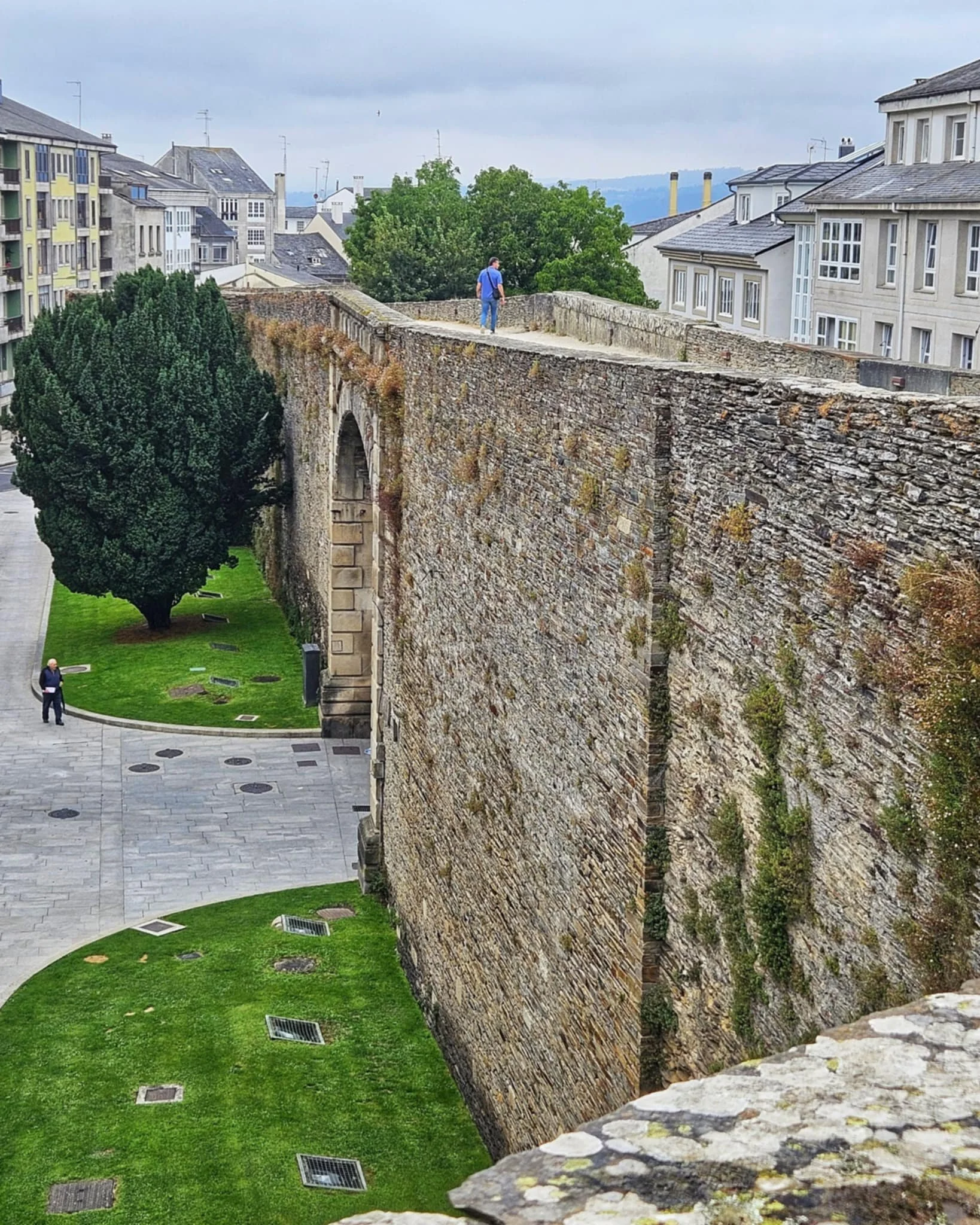
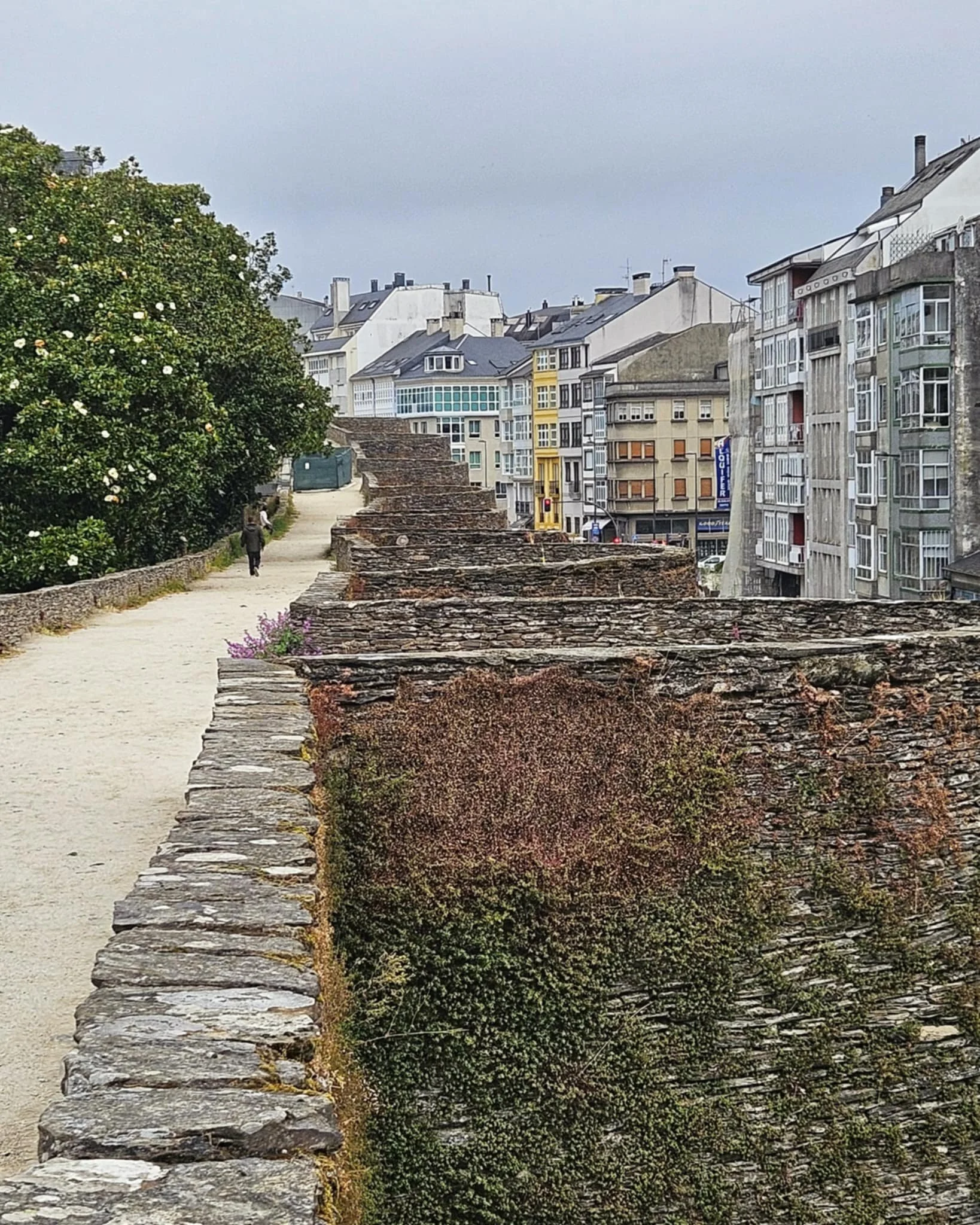
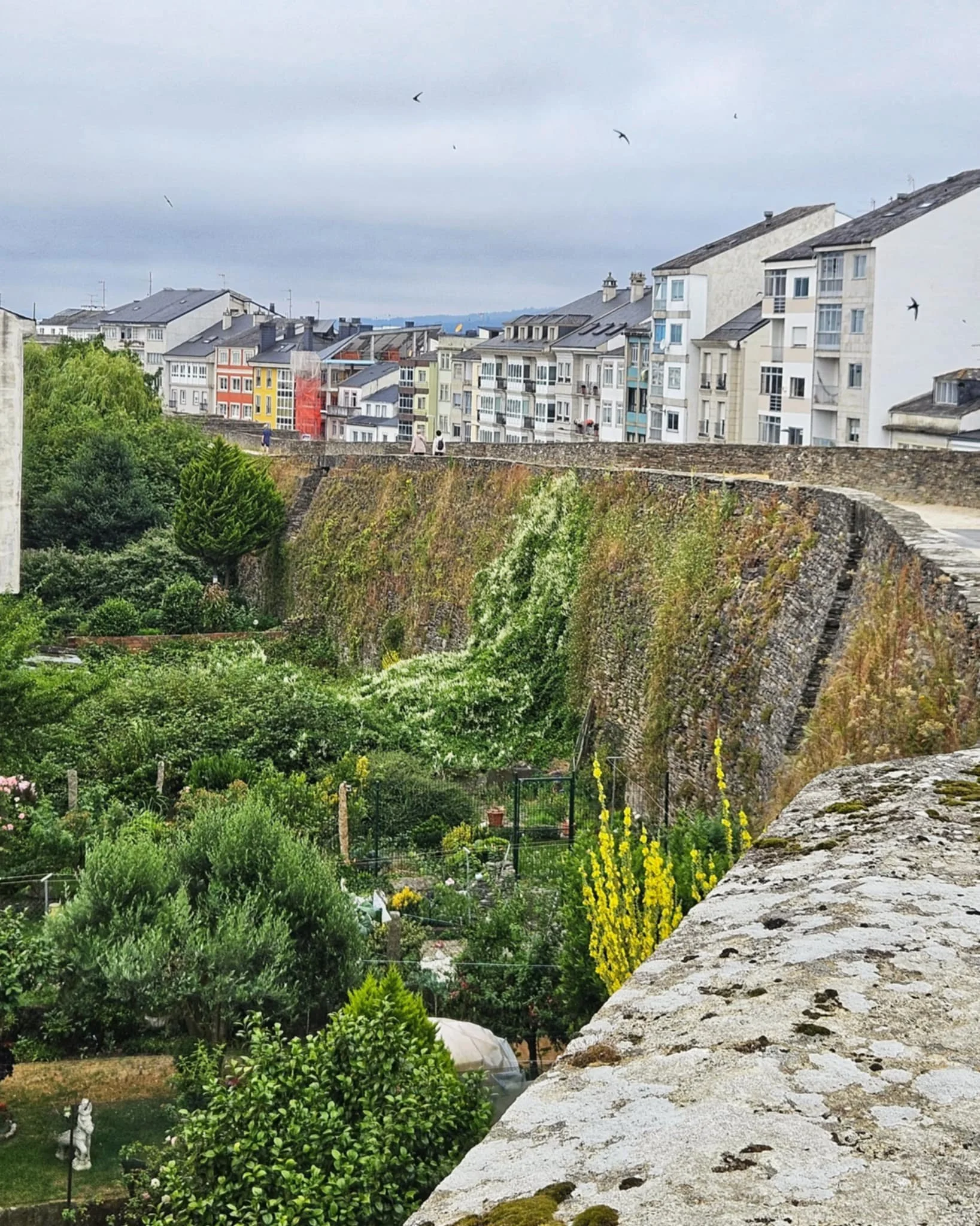
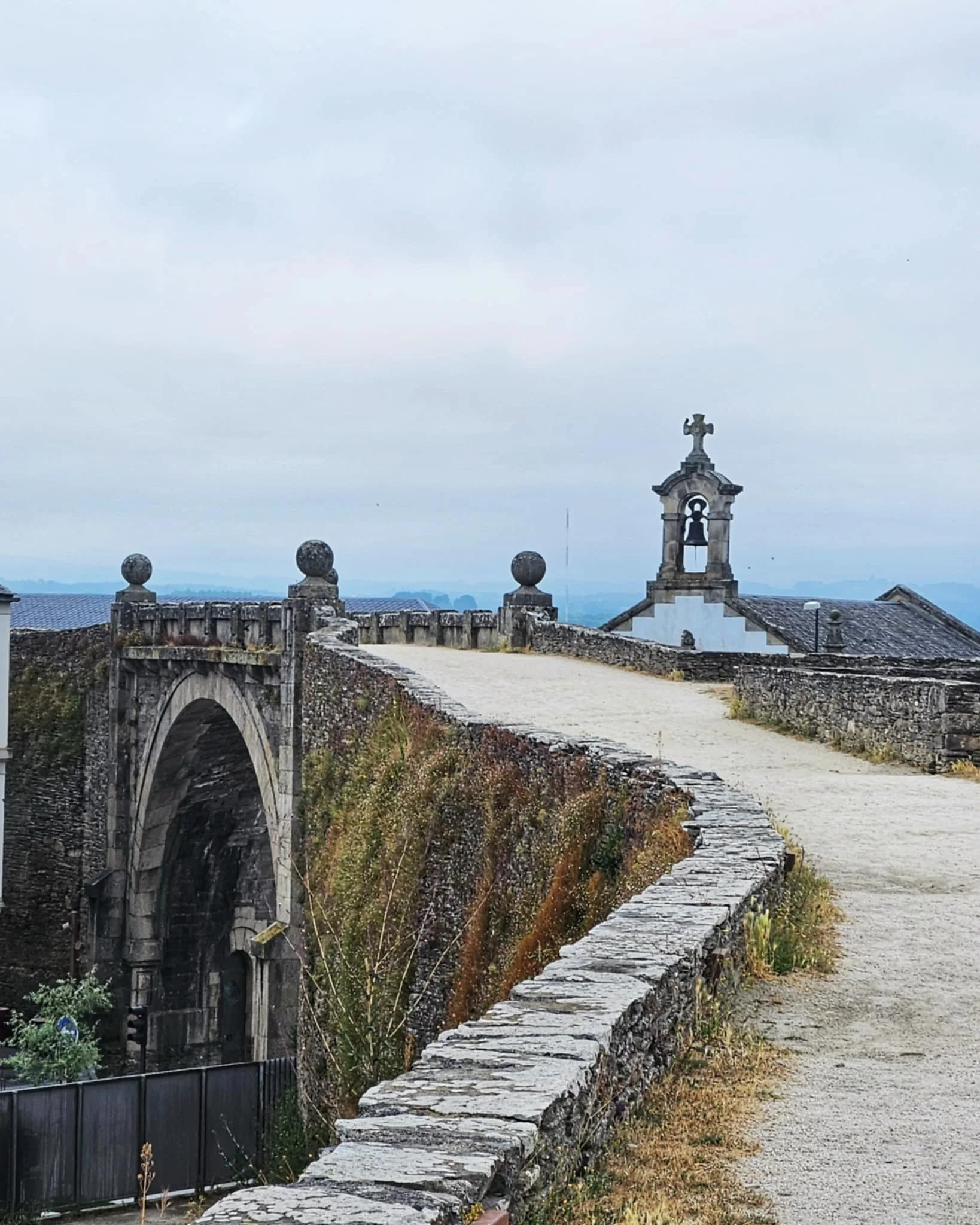
The city walls.
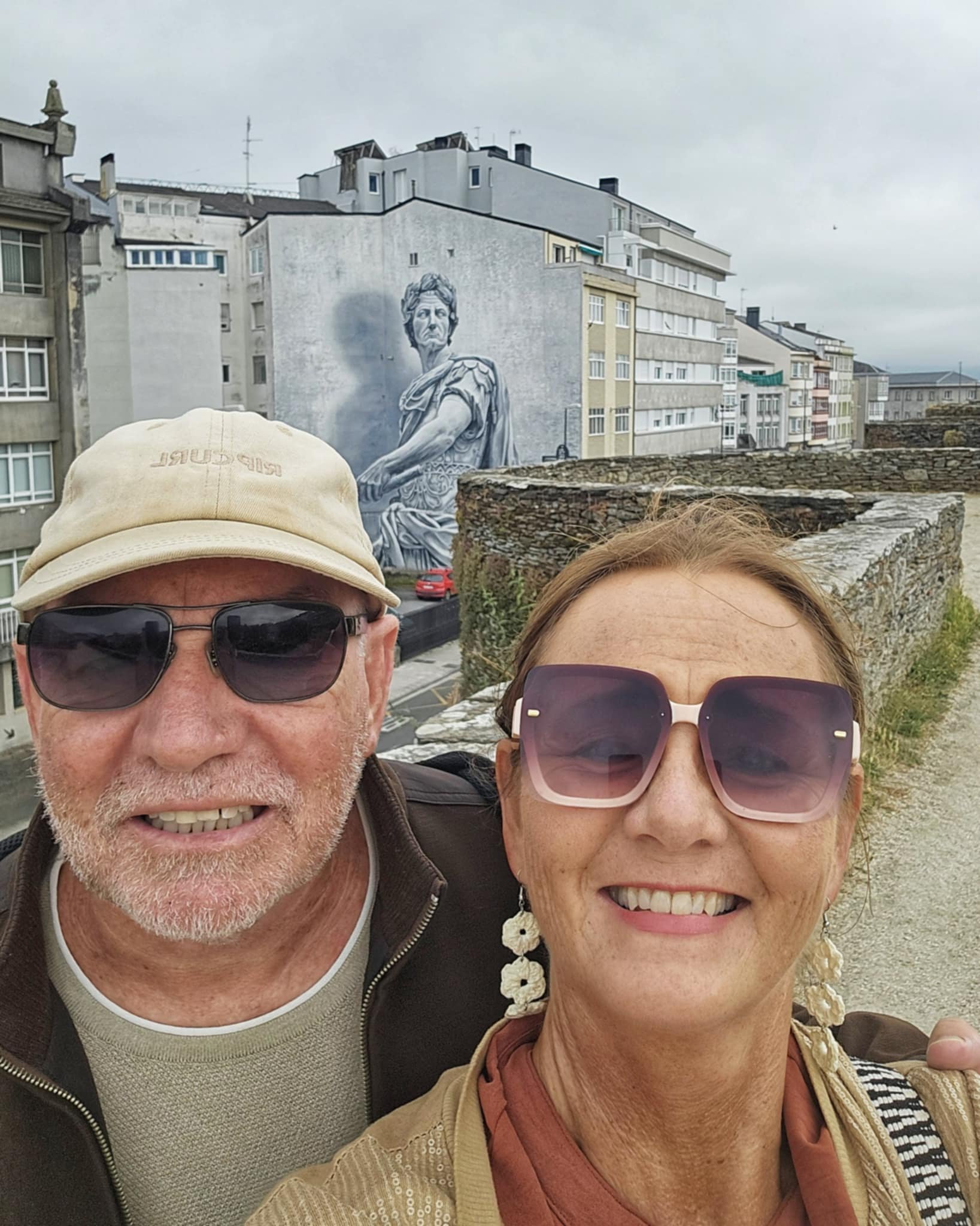
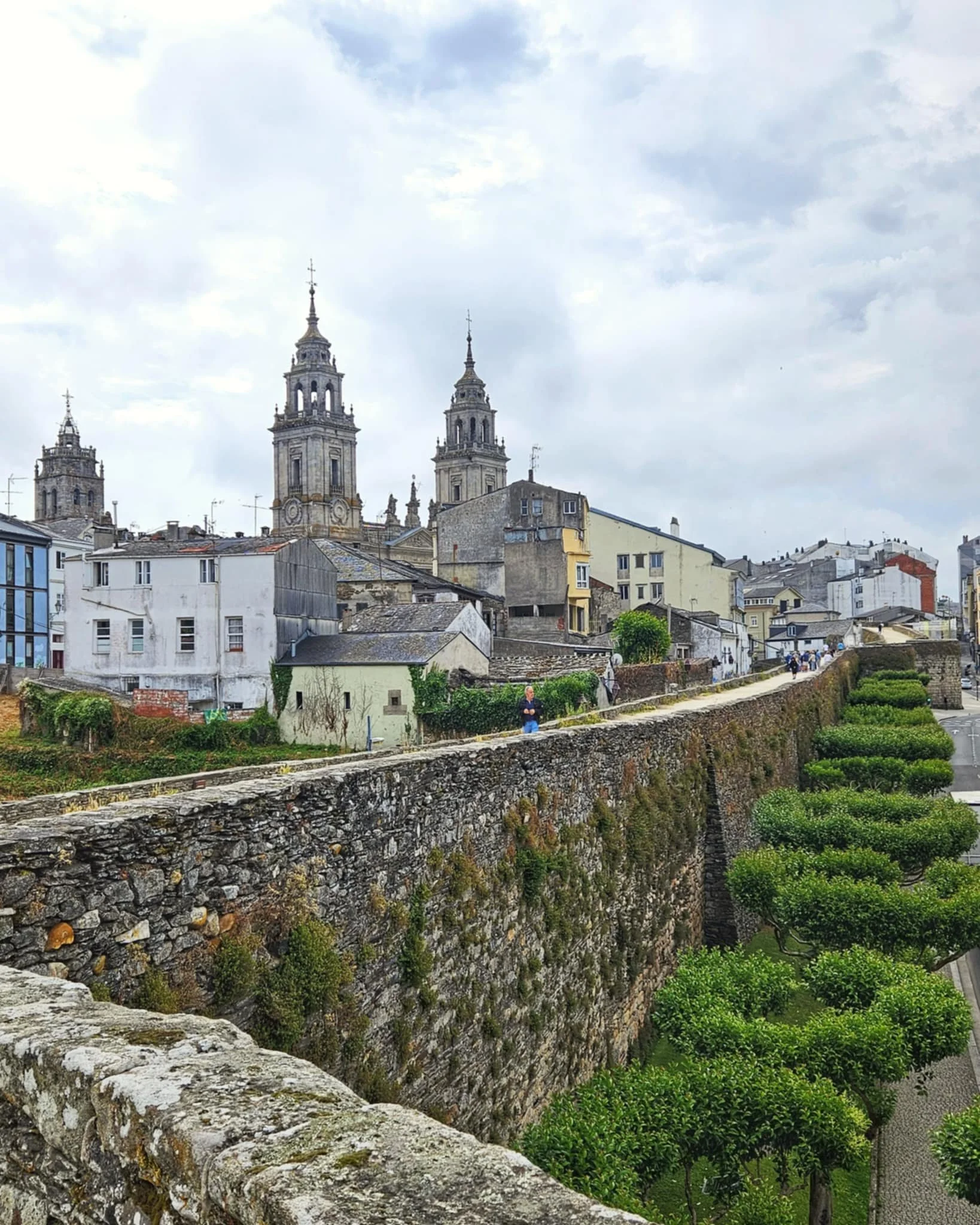
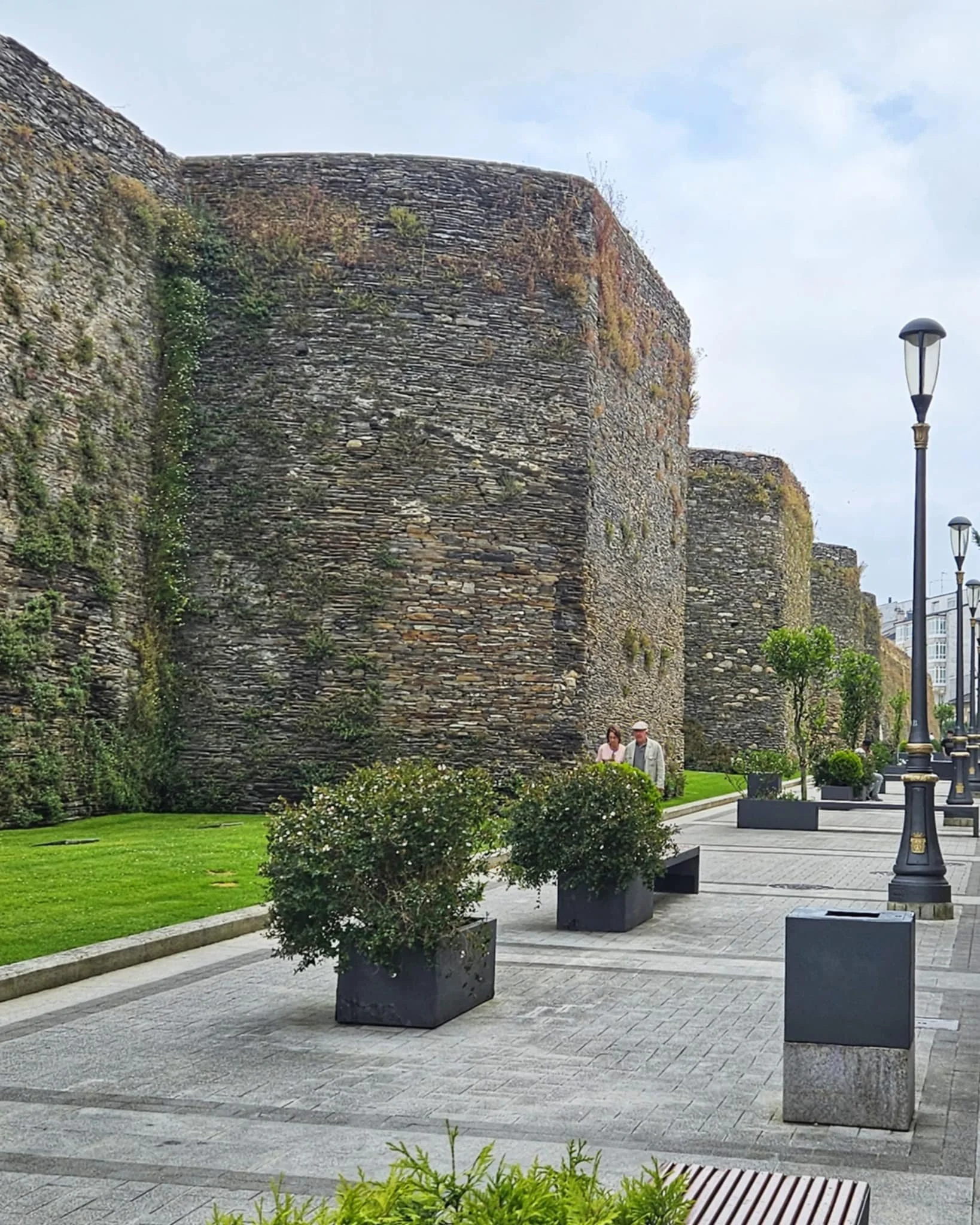
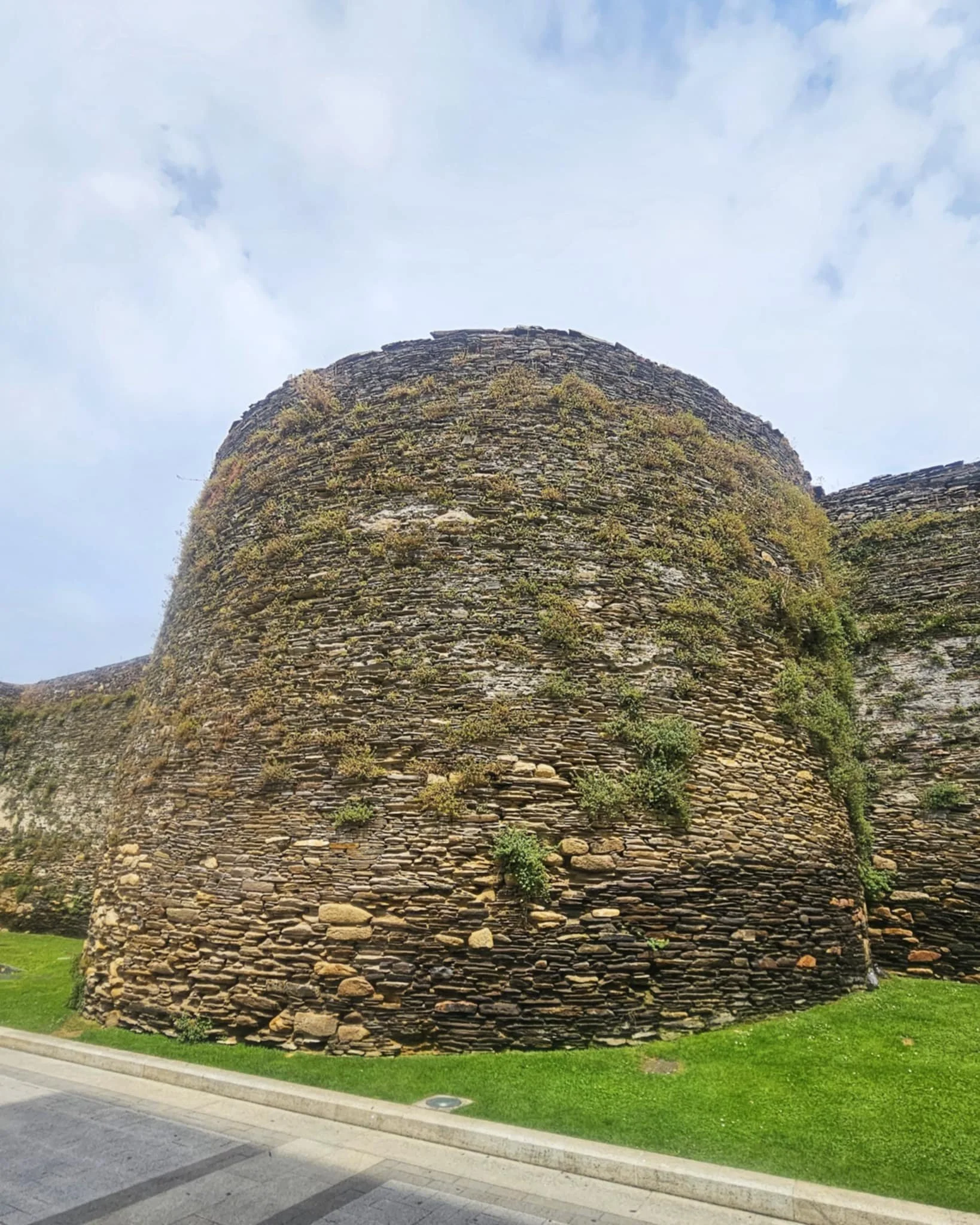
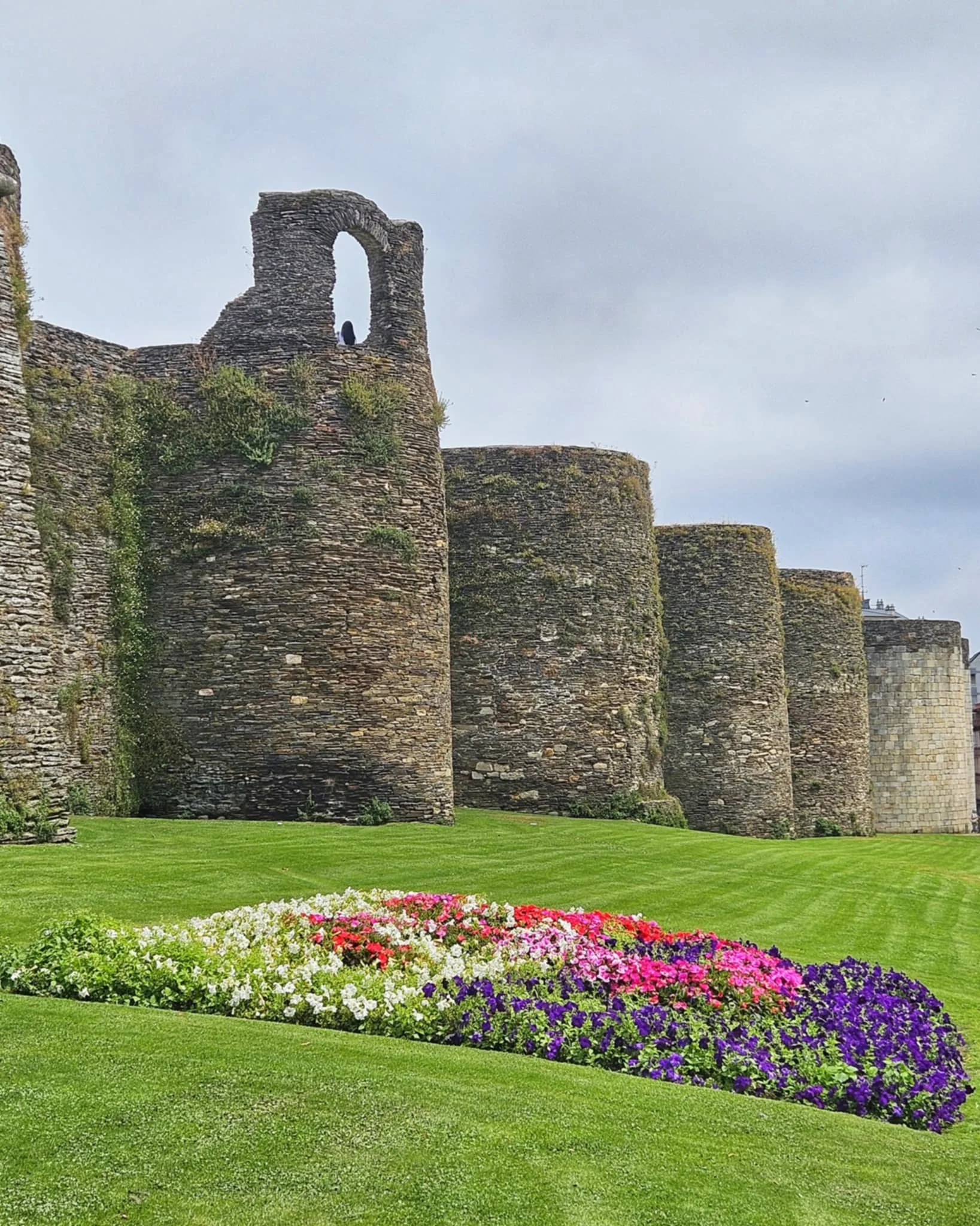
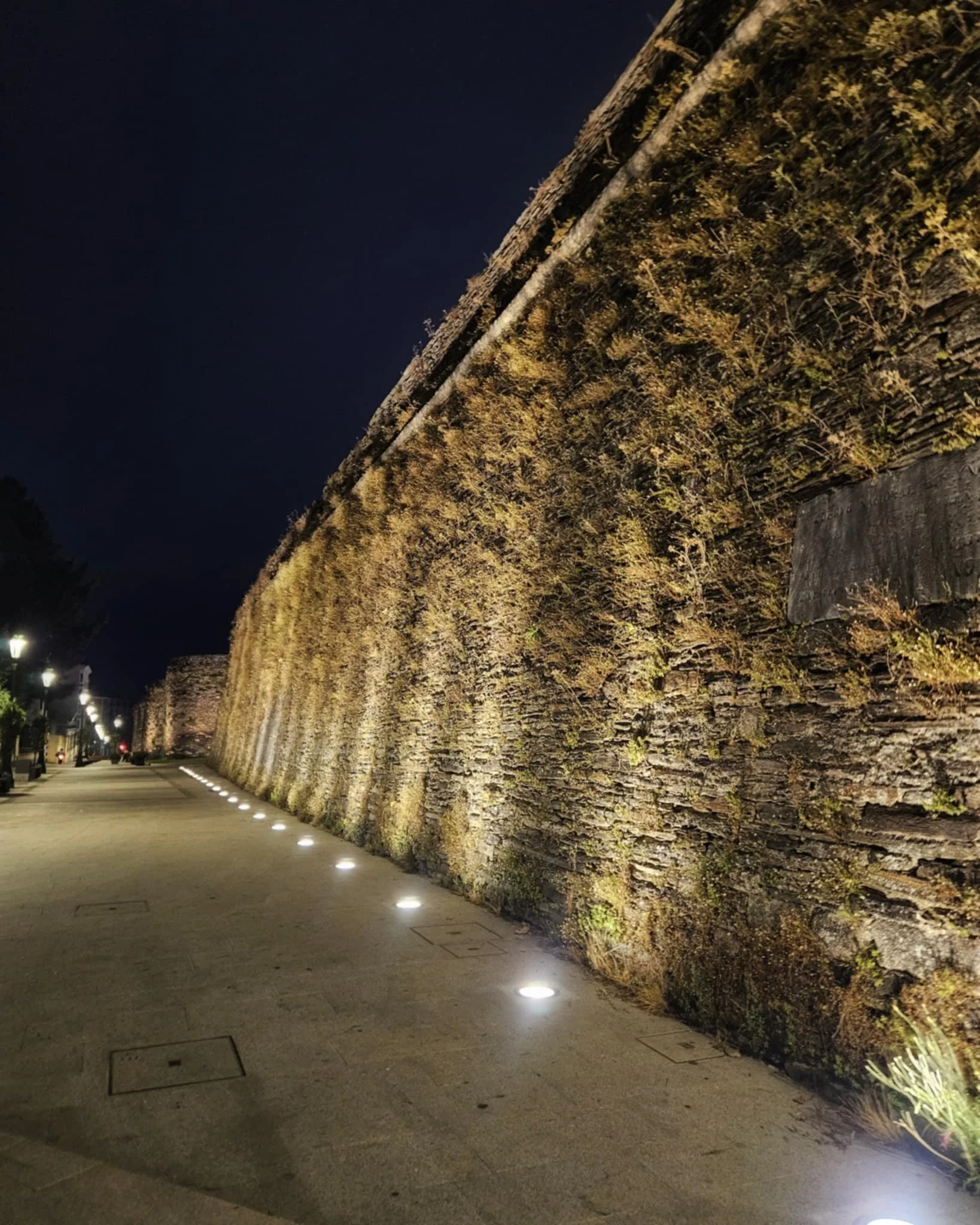
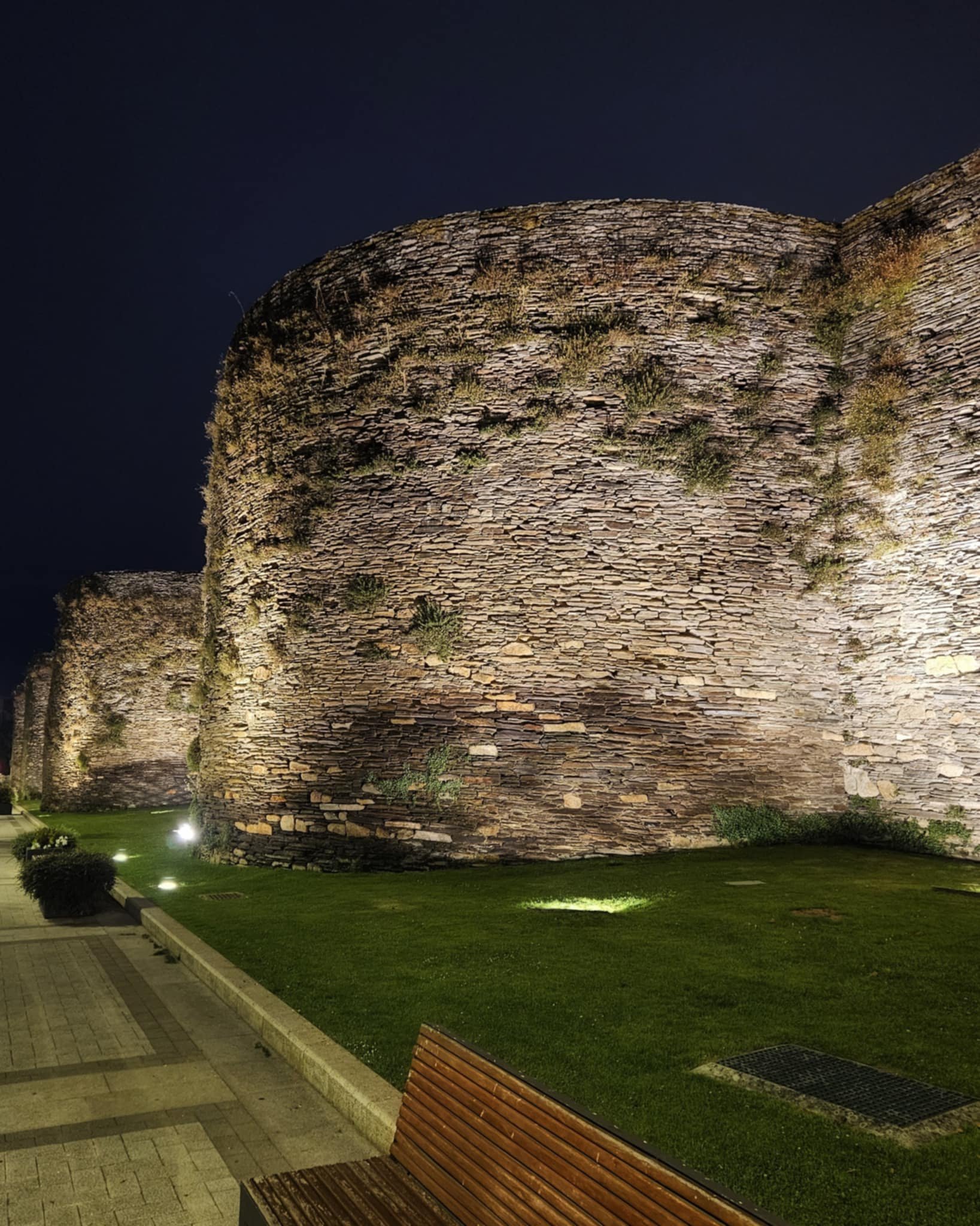
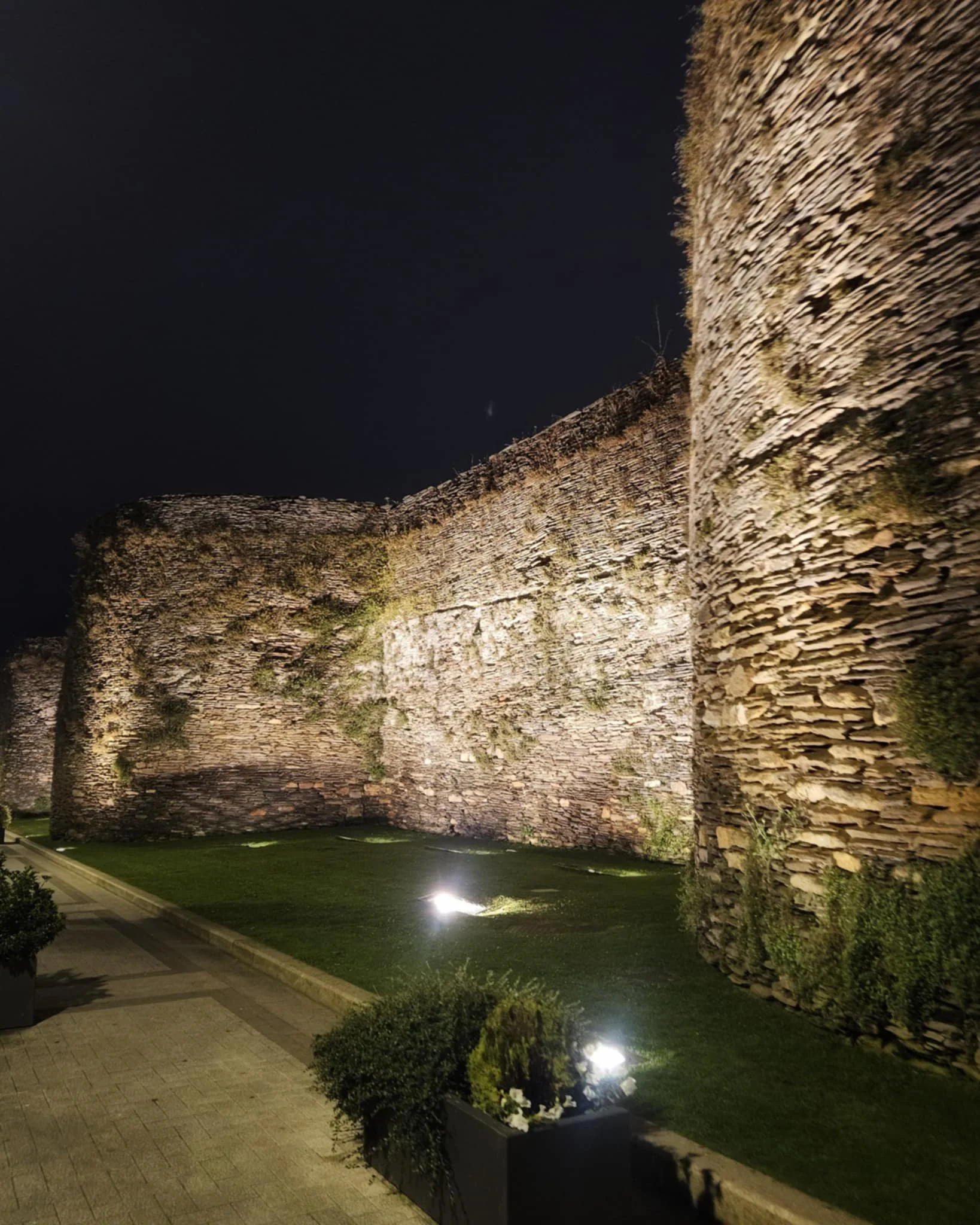
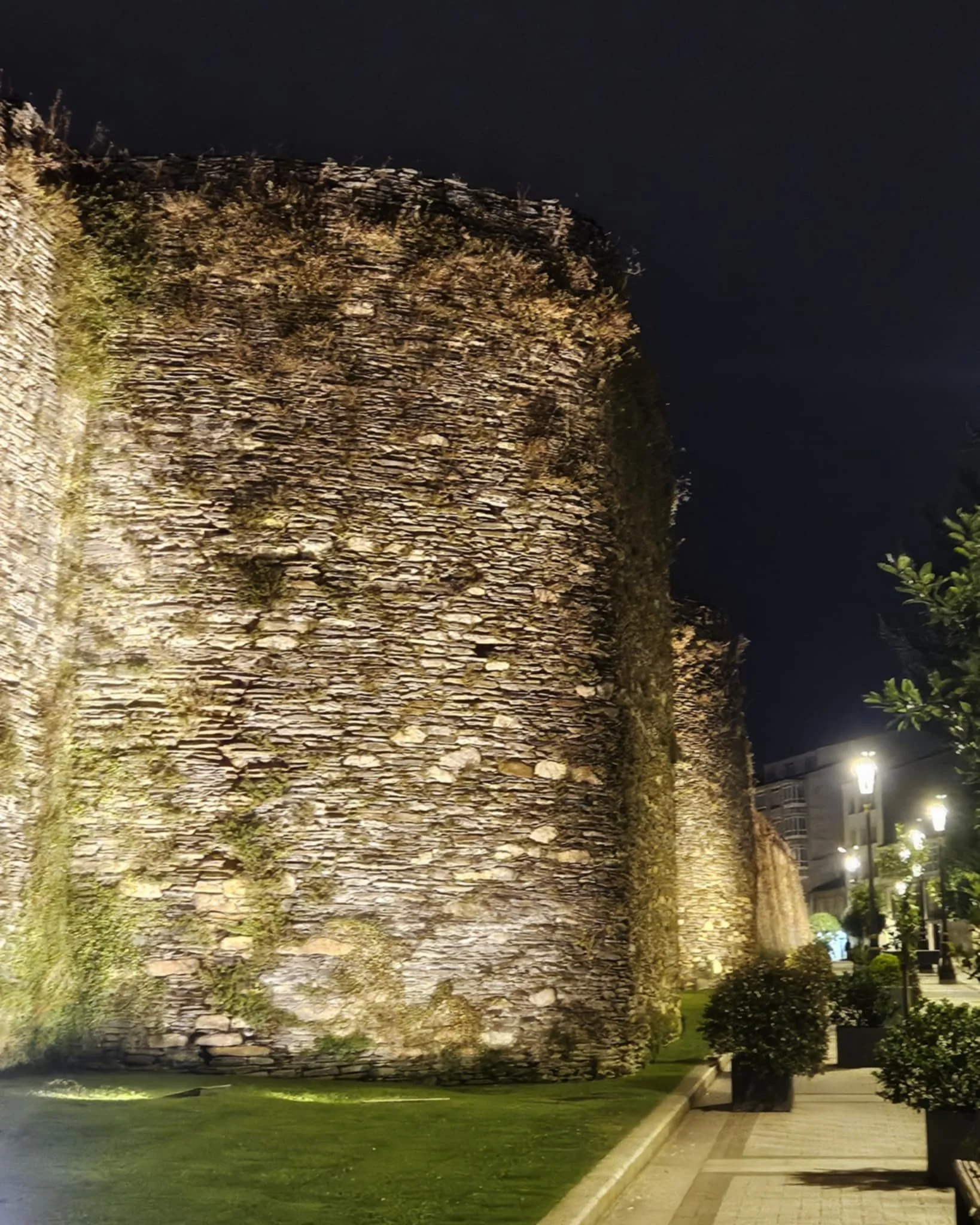
Lugo’s Roman walls are the city’s main attraction, and for good reason. They are the only fully intact Roman city walls in the world, which stretch for just over two kilometres and are lined with 85 towers. Built in the late 3rd century, the walls rise up to 12 metres high and are between 4.5 and 7 metres wide, which makes is easy to walk comfortably along. They were designed as a serious defensive structure, once protected by a moat, and built to safeguard the Roman city of Lucus Augusti during a time of growing instability in the empire. In 2000, they were declared a UNESCO World Heritage site.
Walking the walls
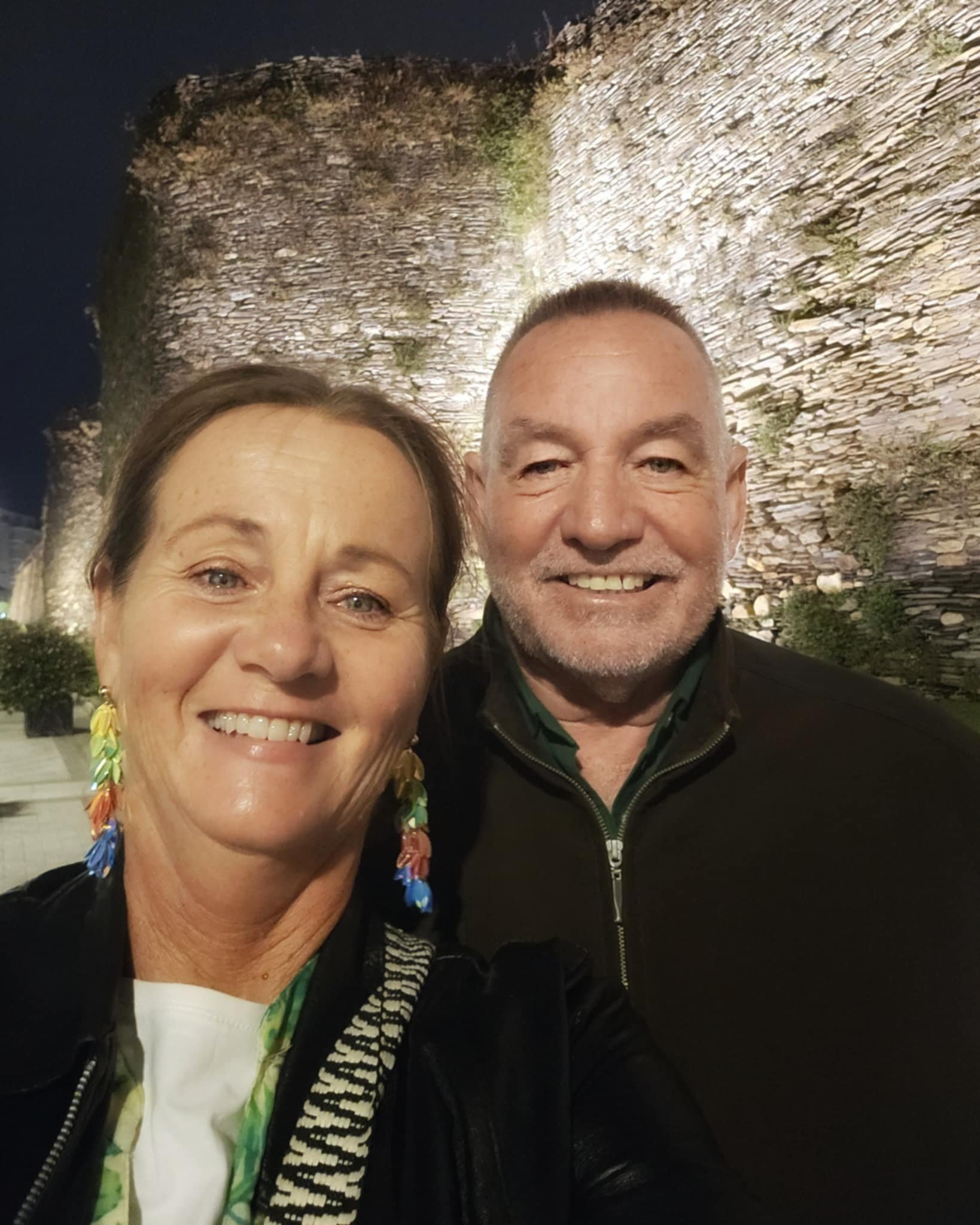
Entrance to the walls is free! You can easily walk the full length of the walls of just over 2km. The walkway is flat, wide, and easy to manage. The walkway offers views down into the old town on one side and out across the newer parts of the city on the other. There are several large murals along the way to admire as well. Access points are spaced around the circuit, so you can walk part or all of it. We recommend entering the walls in front of the cathedral and going in and anit-clockwise direction. At night, when the walls are lit up, they feel even more impressive and give the city a completely different atmosphere.
The Camino and the Miño River
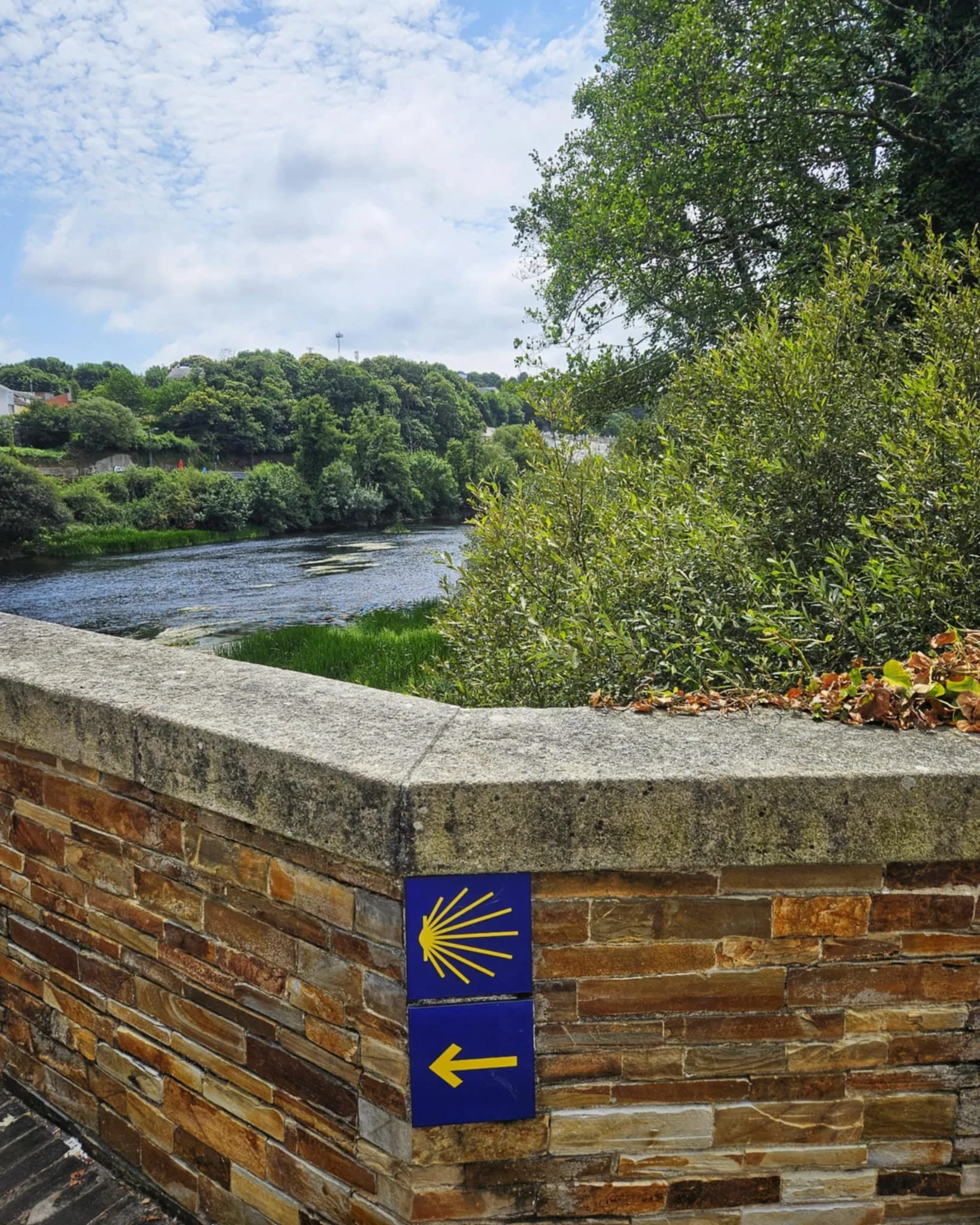
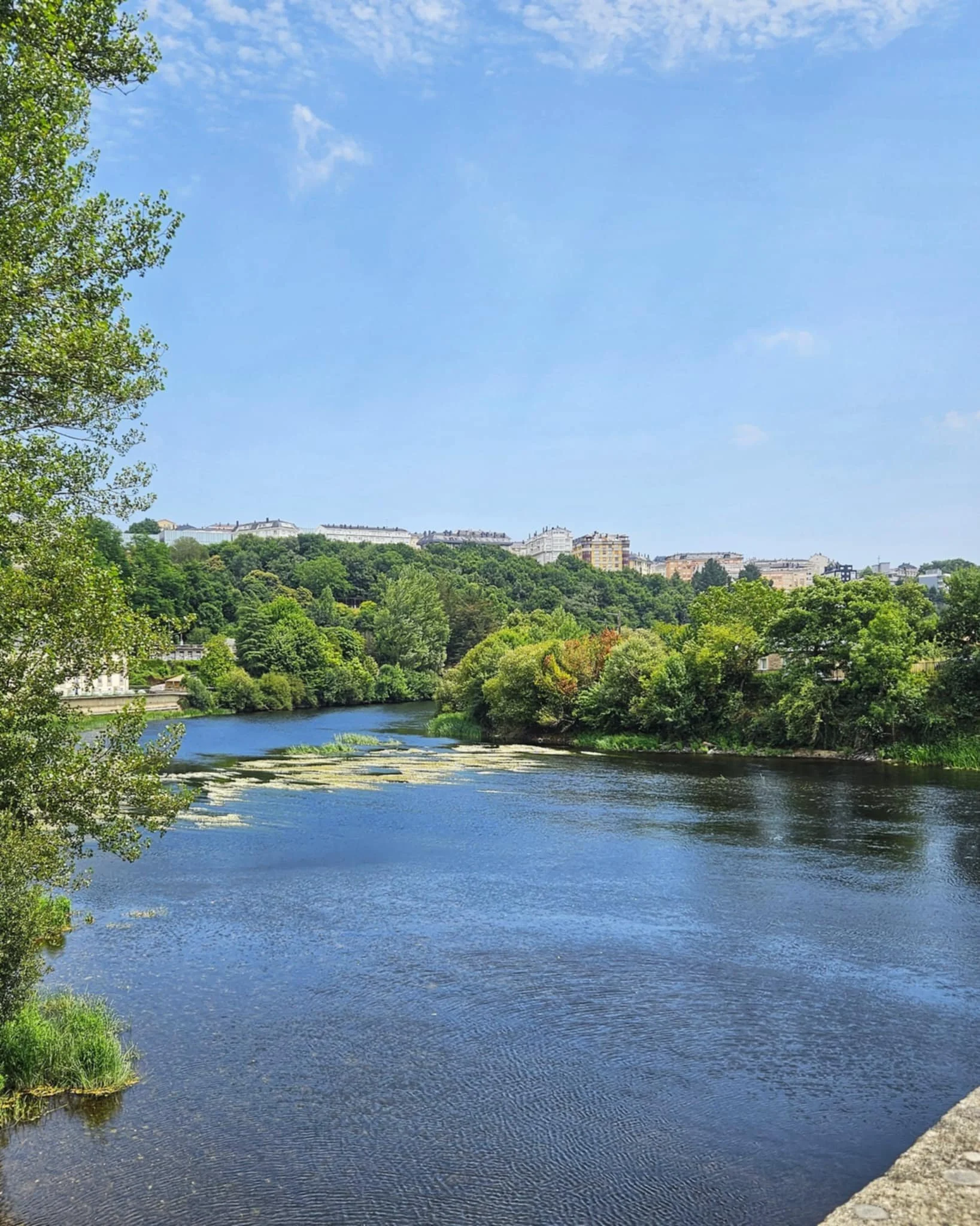
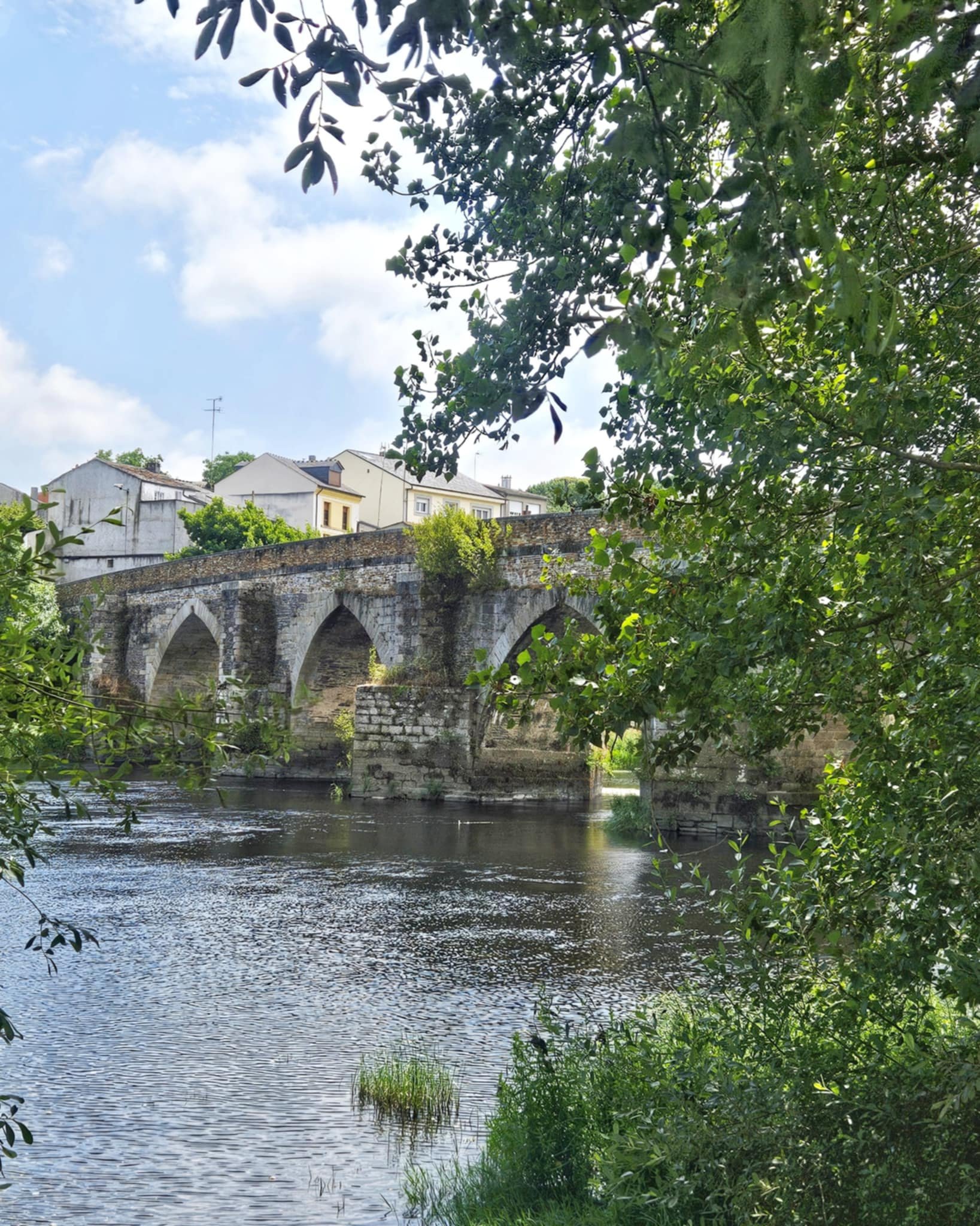
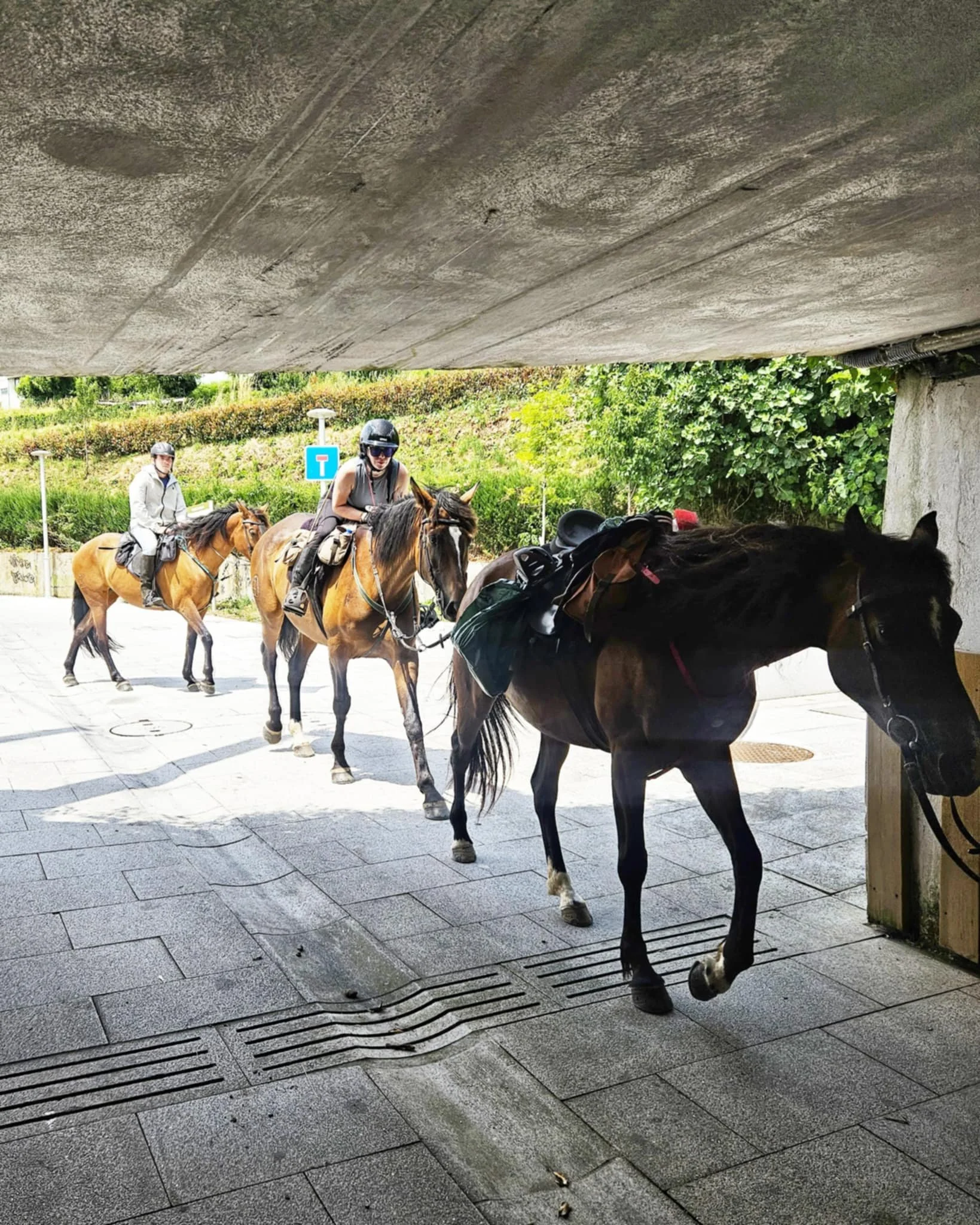
Lugo is also an important stop on the Camino de Santiago. The Camino Primitivo, considered the original Camino route, starts here and continues on to Santiago de Compostela. The Miño River flows just outside the walls and is closely tied to the city’s history. Walking paths along the river offer a quieter contrast to the busy old town. You can easily walk down to the river, like we did, but we warned the walk back up is a little steep. Keep your eyes open for pilgrims riding horses!
Cathedral of Lugo
Lugo Cathedral sits quietly within the city walls and reflects the long history of the city itself. Built over several centuries, it combines Romanesque, Gothic, Baroque, and Neoclassical elements, giving it a layered and slightly unusual appearance. Inside, it is known for having a continuously exposed Blessed Sacrament, a rare feature in Spain, and the interior is definitely worth checking out. It’s not as over the top as some other cathedrals, but we enjoyed visiting and it was peaceful and quiet.
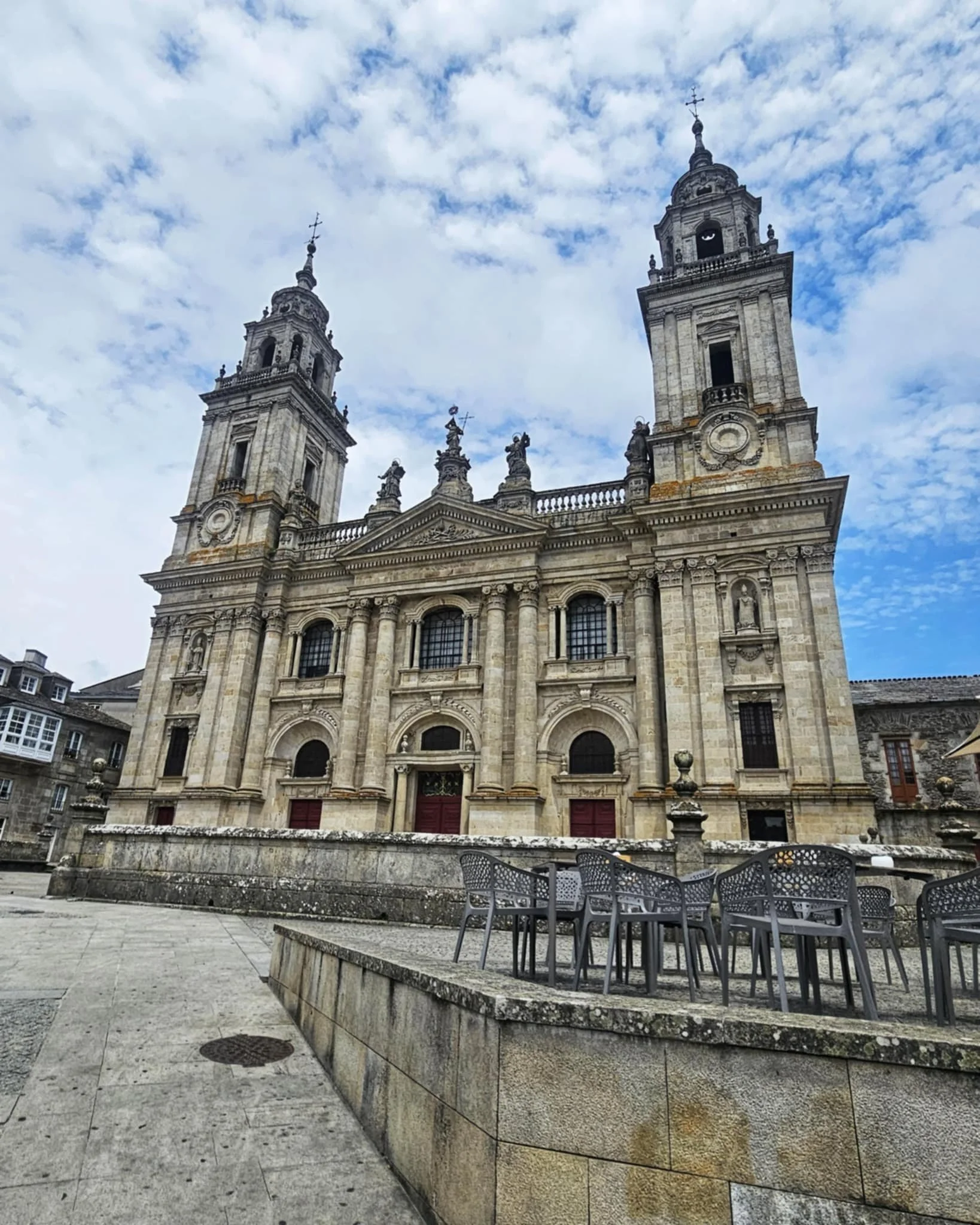
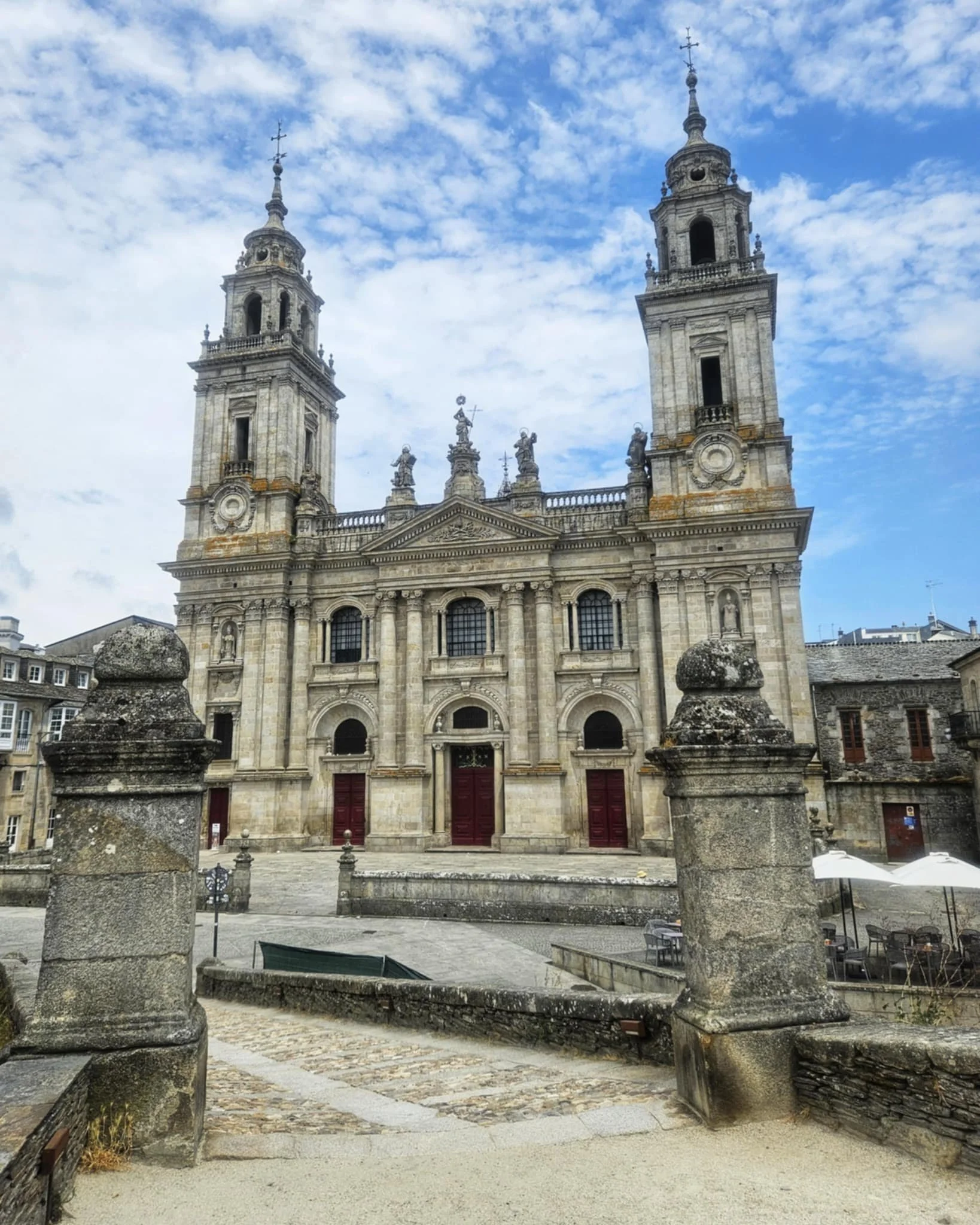
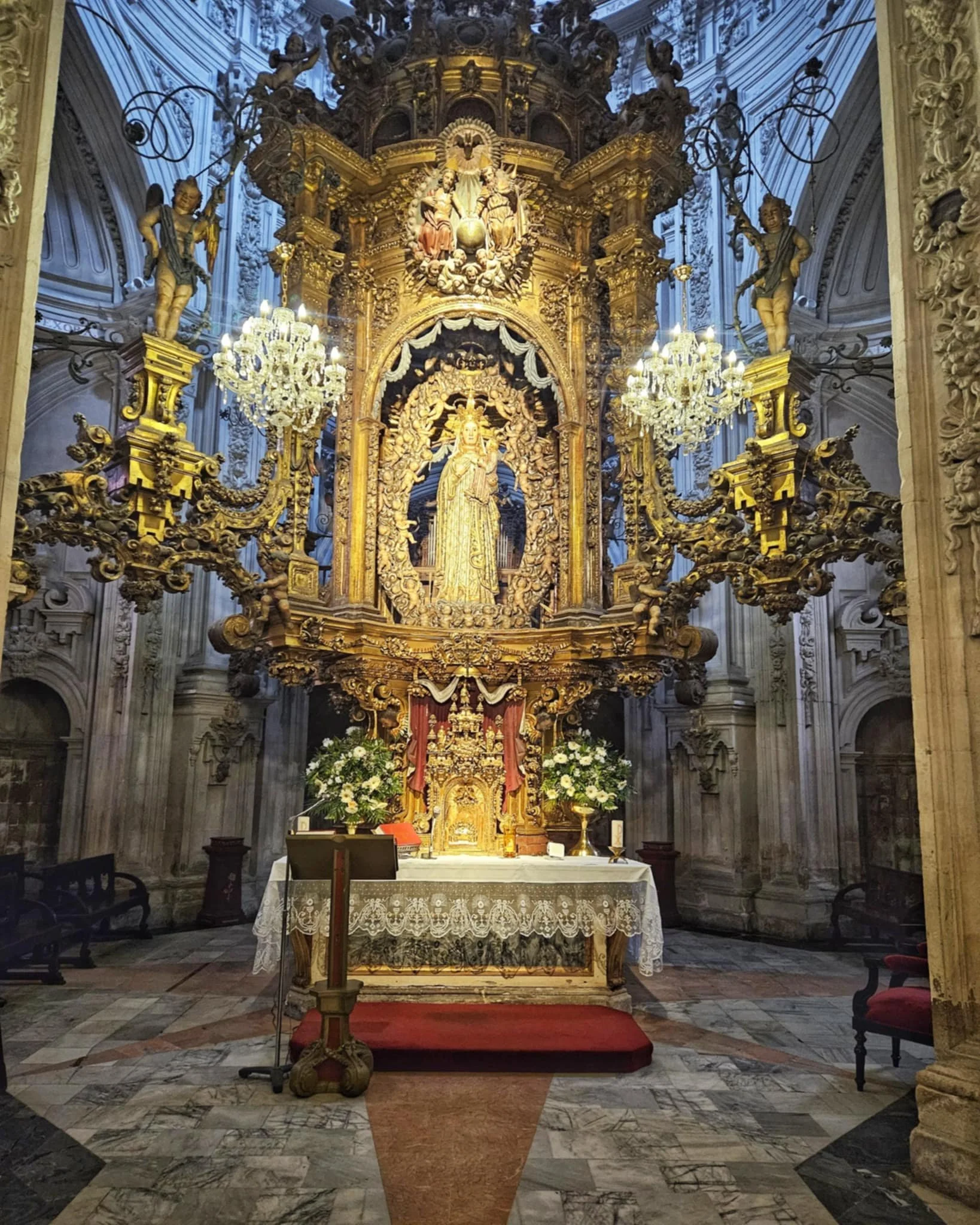
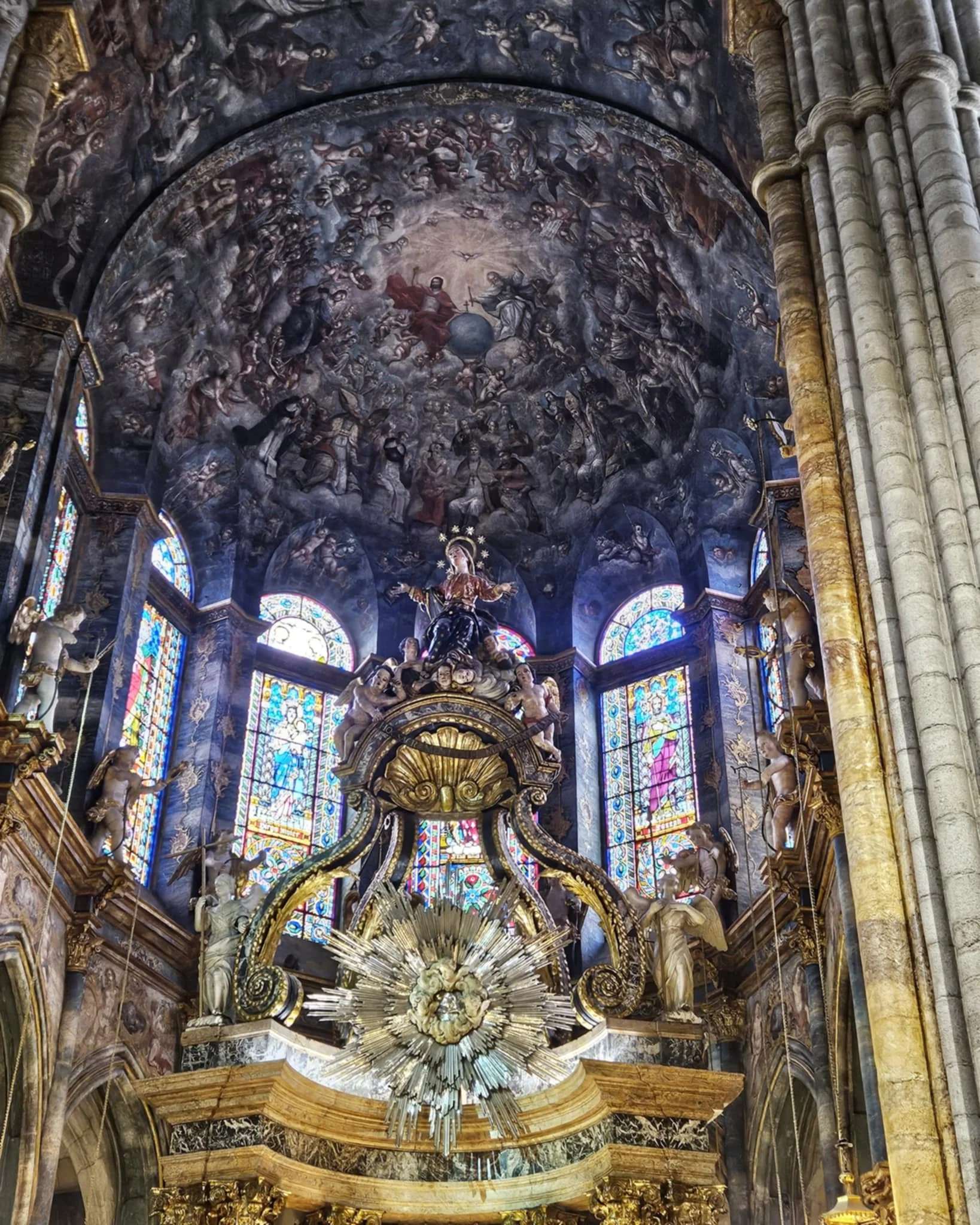
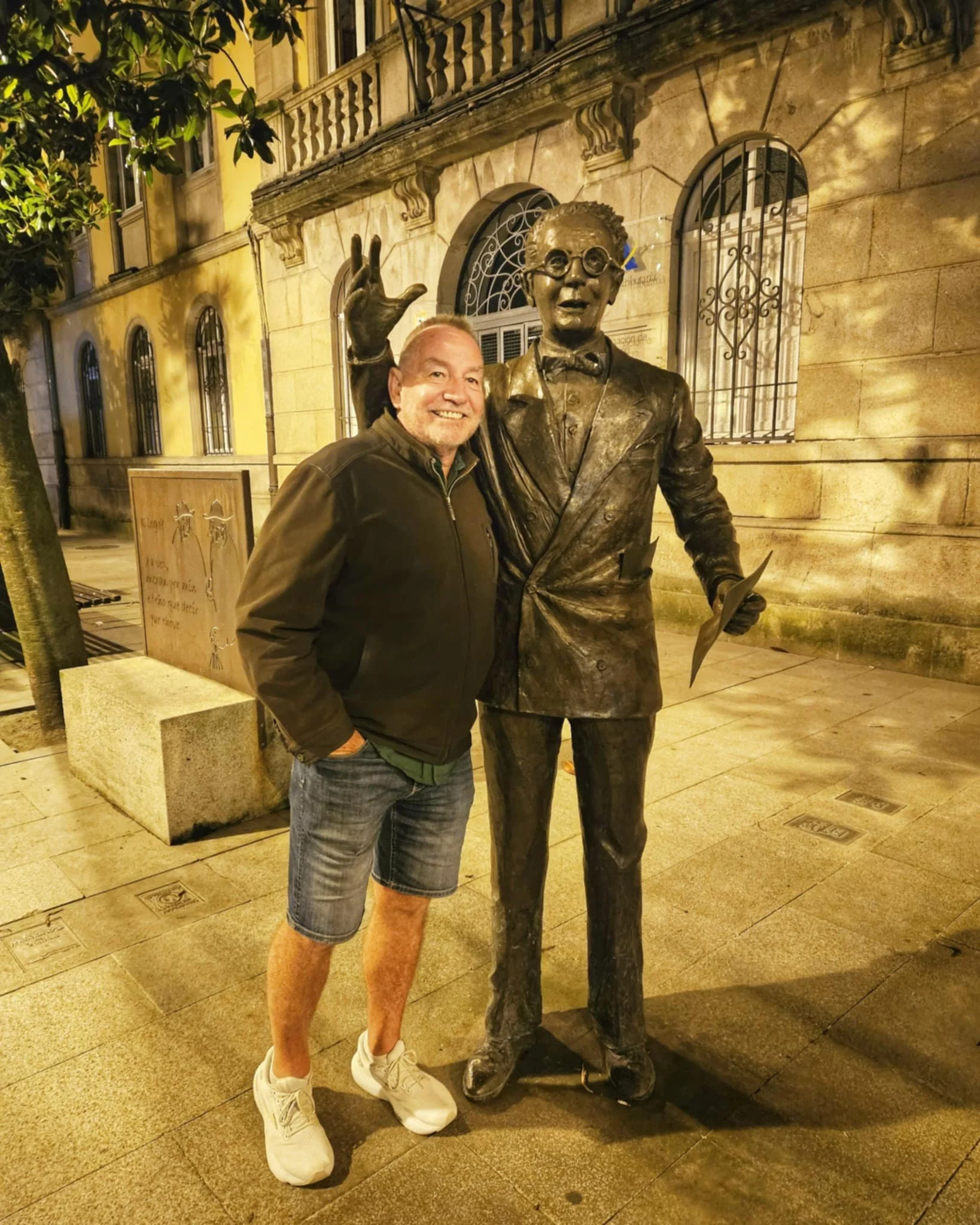
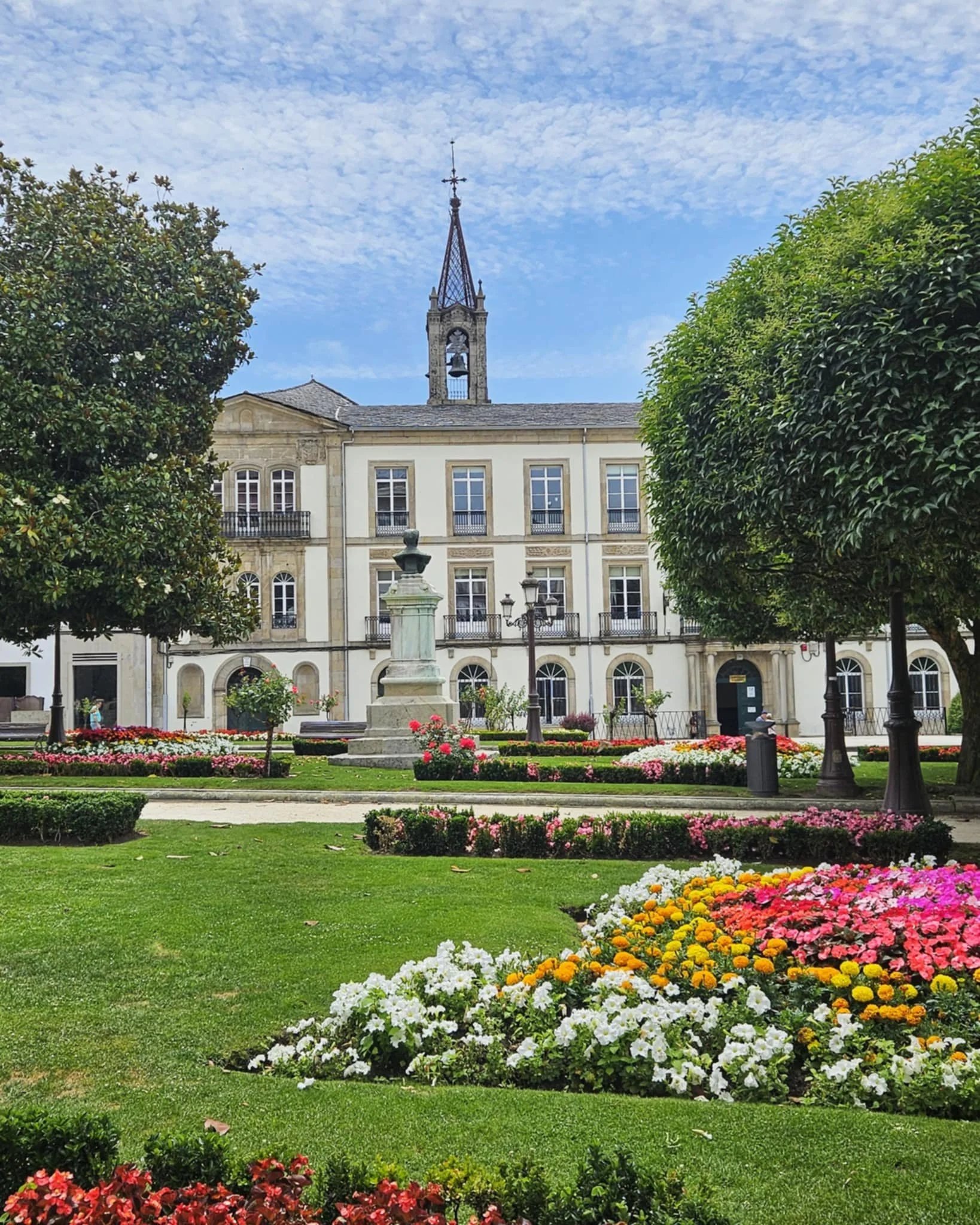
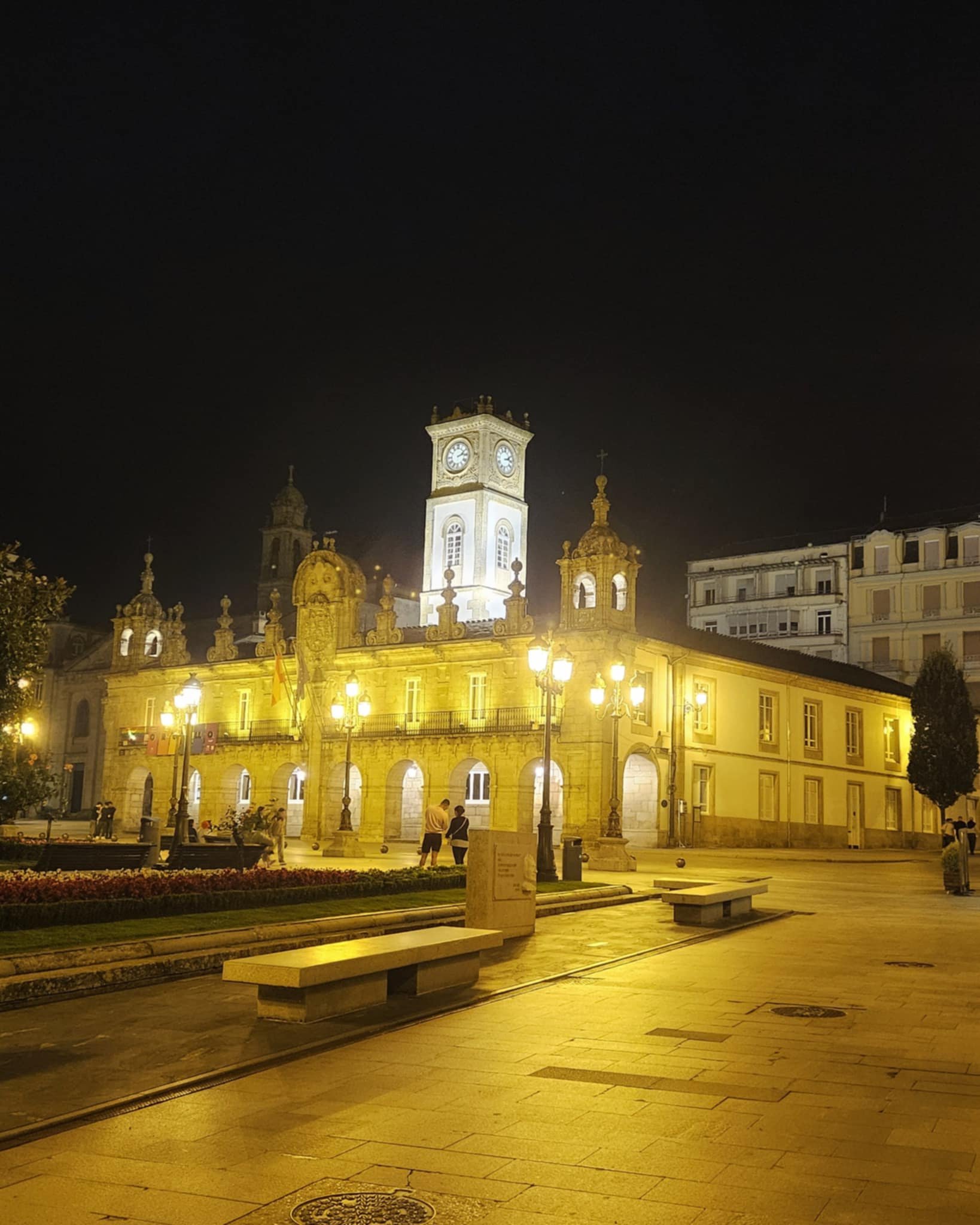
Inside the walls, the old city is compact and easy to explore on foot. Plaza Mayor is the main square and a natural meeting point. It is full of pretty gardens and shady trees. You can see the Town Hall at the top of the plaza and it too is stunning at night. It is a great place to sit and enjoy a coffee in the main part of the city. The Lugo market is well worth a visit to see local produce and Galician specialties. Other highlights include the convent of San Francisco, and small streets lined with stone buildings, shops, and cafés. Another highlight that we weren’t expecting were the lovely shops. They are decorated beautifully and I really liked wandering through them, especially the shoe shop with Roman ruins underneath.

Food and wine scene
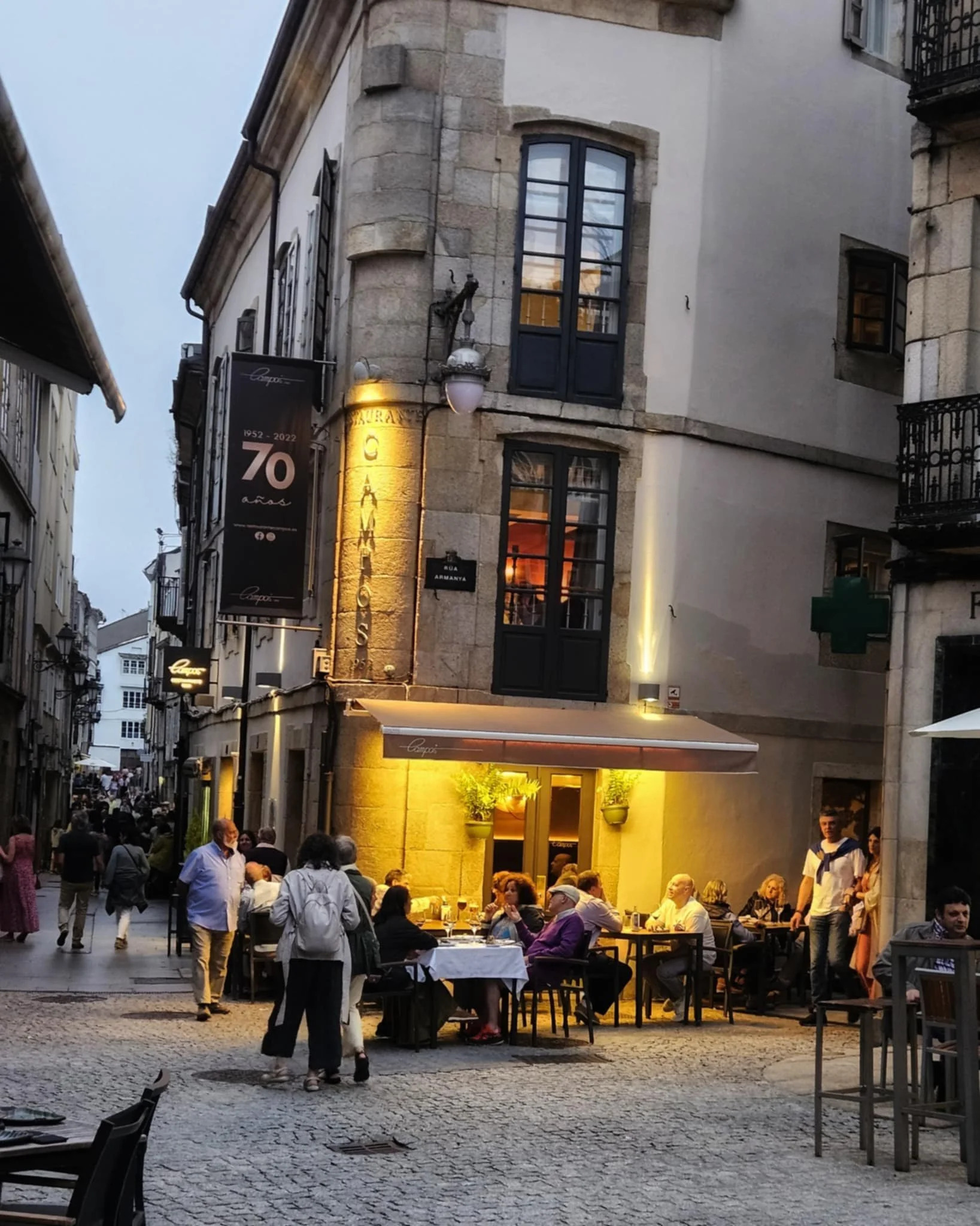
Lugo has a lively and affordable food scene, with plenty of bars and restaurants packed into the old town. It’s not a big area, but is full of locals enjoying the city at night. Tapas are generous, and it’s common to be served something small with a drink. Local wines from Galicia feature heavily, especially Ribeira Sacra and Albariño. One of our favourite things to while we were in Lugo, was finding several tapas bars and restaurants as the food was so good. No need for bookings. If you are game, try the octopus. We tried it, but don’t think I will again.