A Coruna, Galicia, Spain. A complete guide to visiting A Coruna
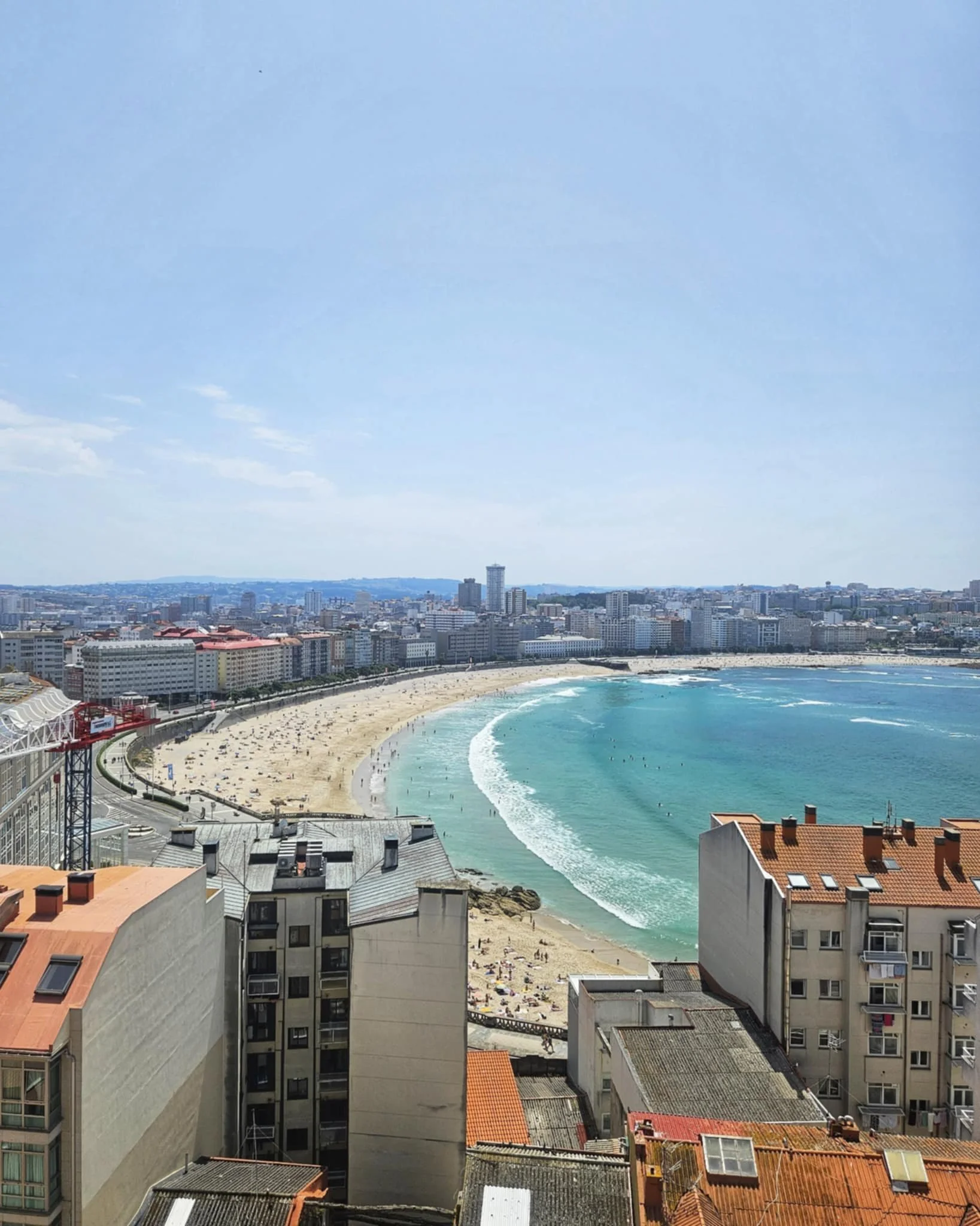
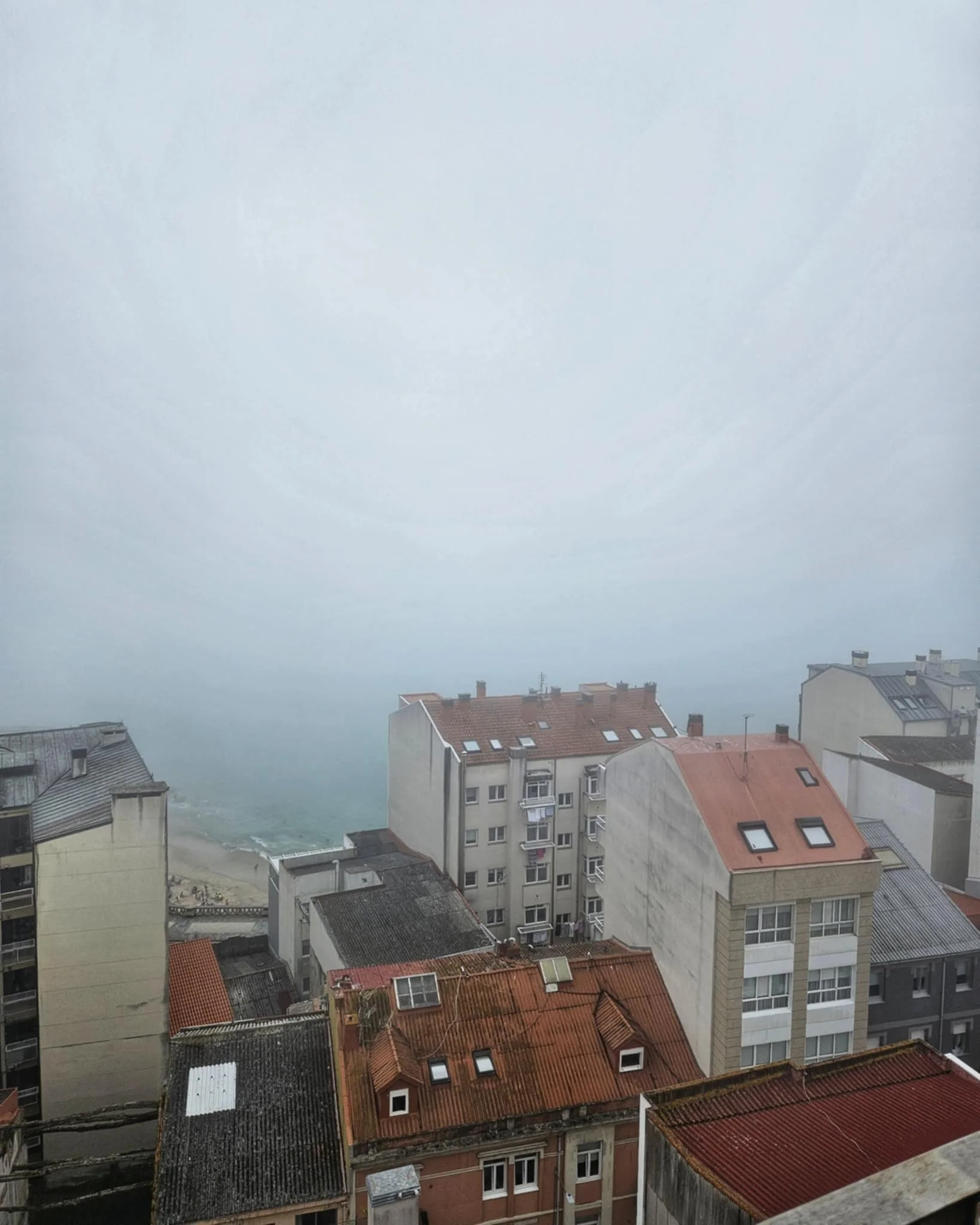
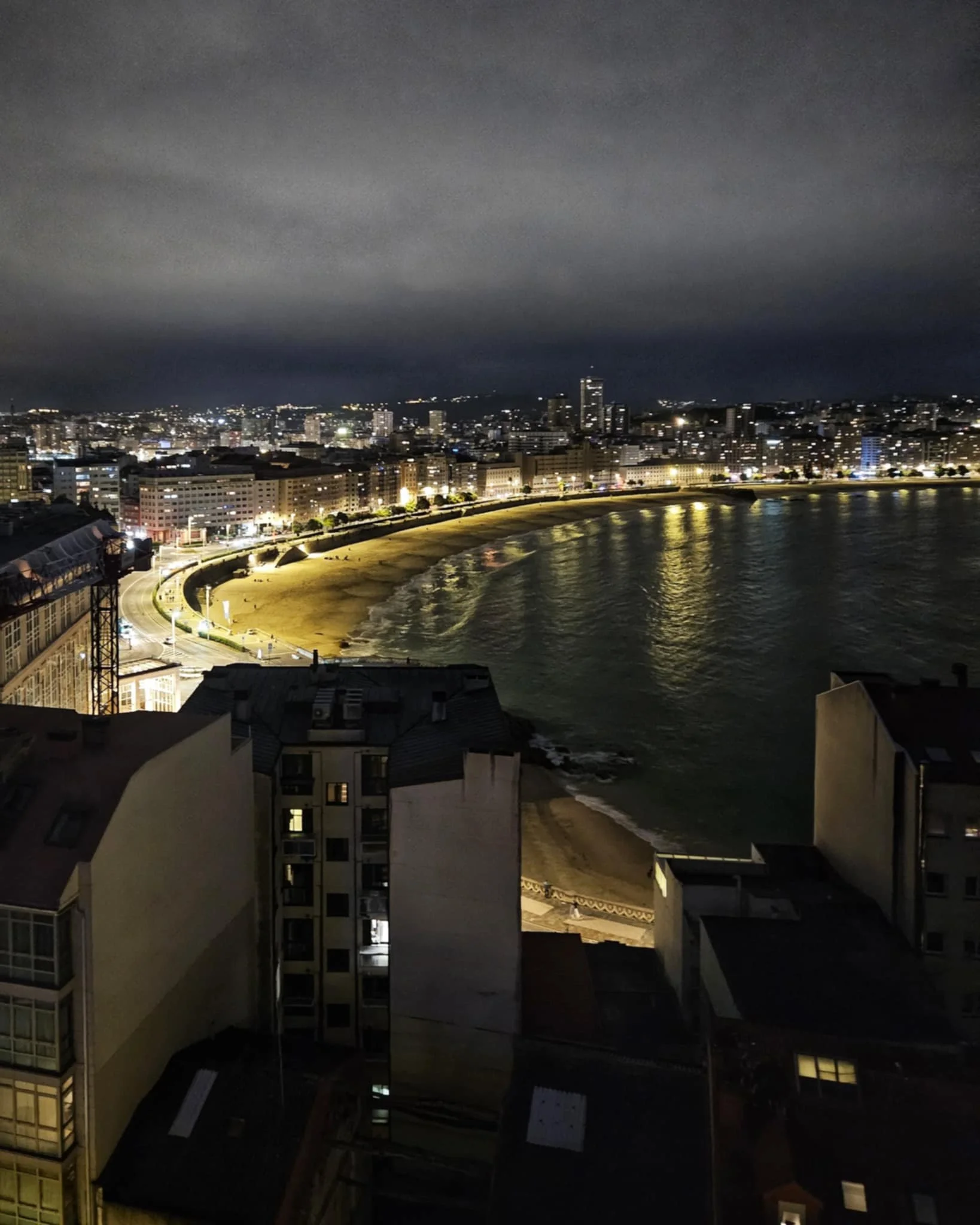
A Coruña sits right on the Atlantic coast in northwest Spain, in the region of Galicia. It’s a compact port city with a long maritime history, shaped by trade, sea travel and a strong local identity. Over the centuries it has been Roman, medieval and proudly Galician, and today it feels relaxed, walkable and very liveable. We spent four days here, did a fabulous walking tour, and loved starting and ending each day looking out over the maritime promenade from our balcony. It is one of the most unusual cities in Spain that we have visited and it took us while to enjoy the uniqueness of the coastal town.
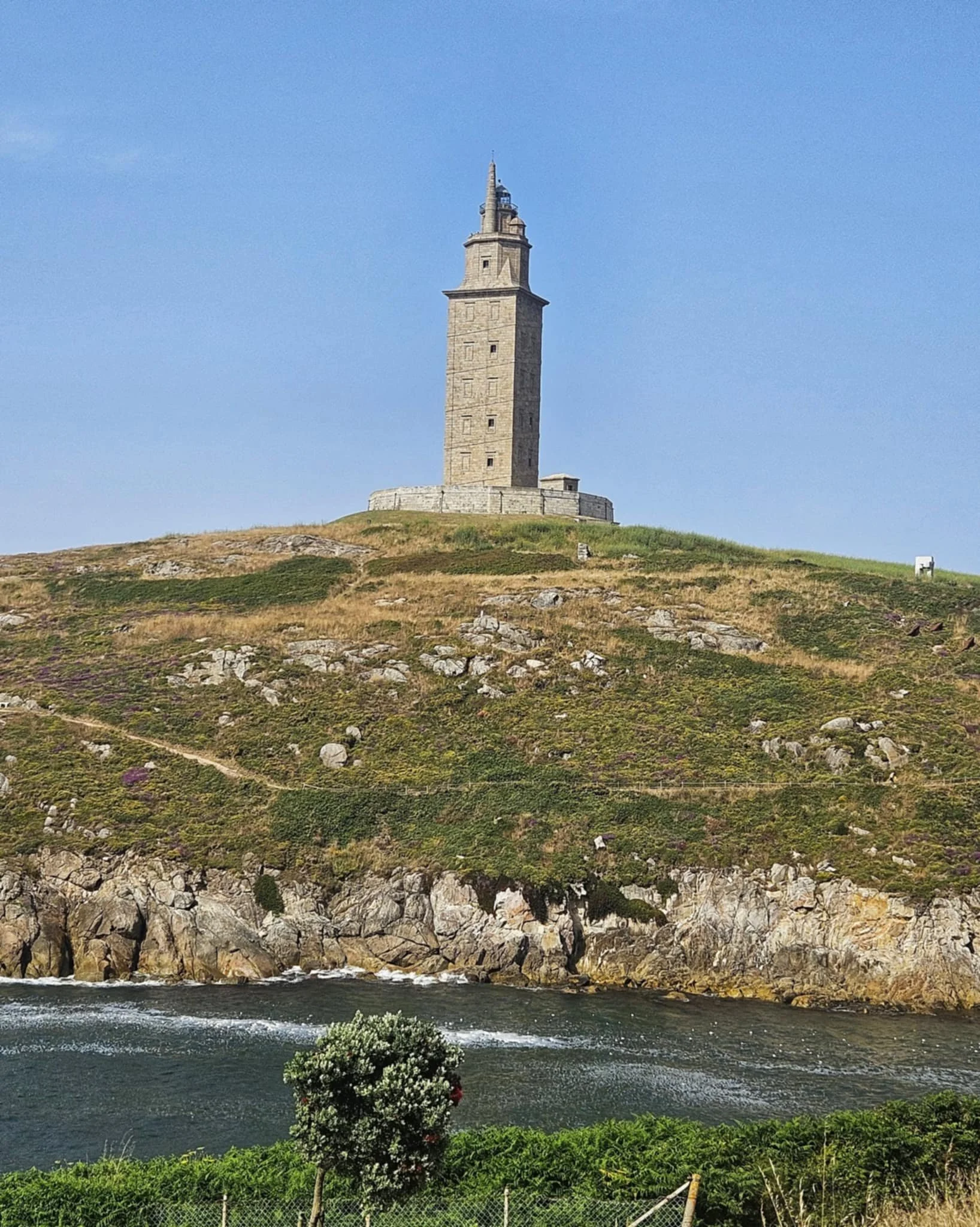
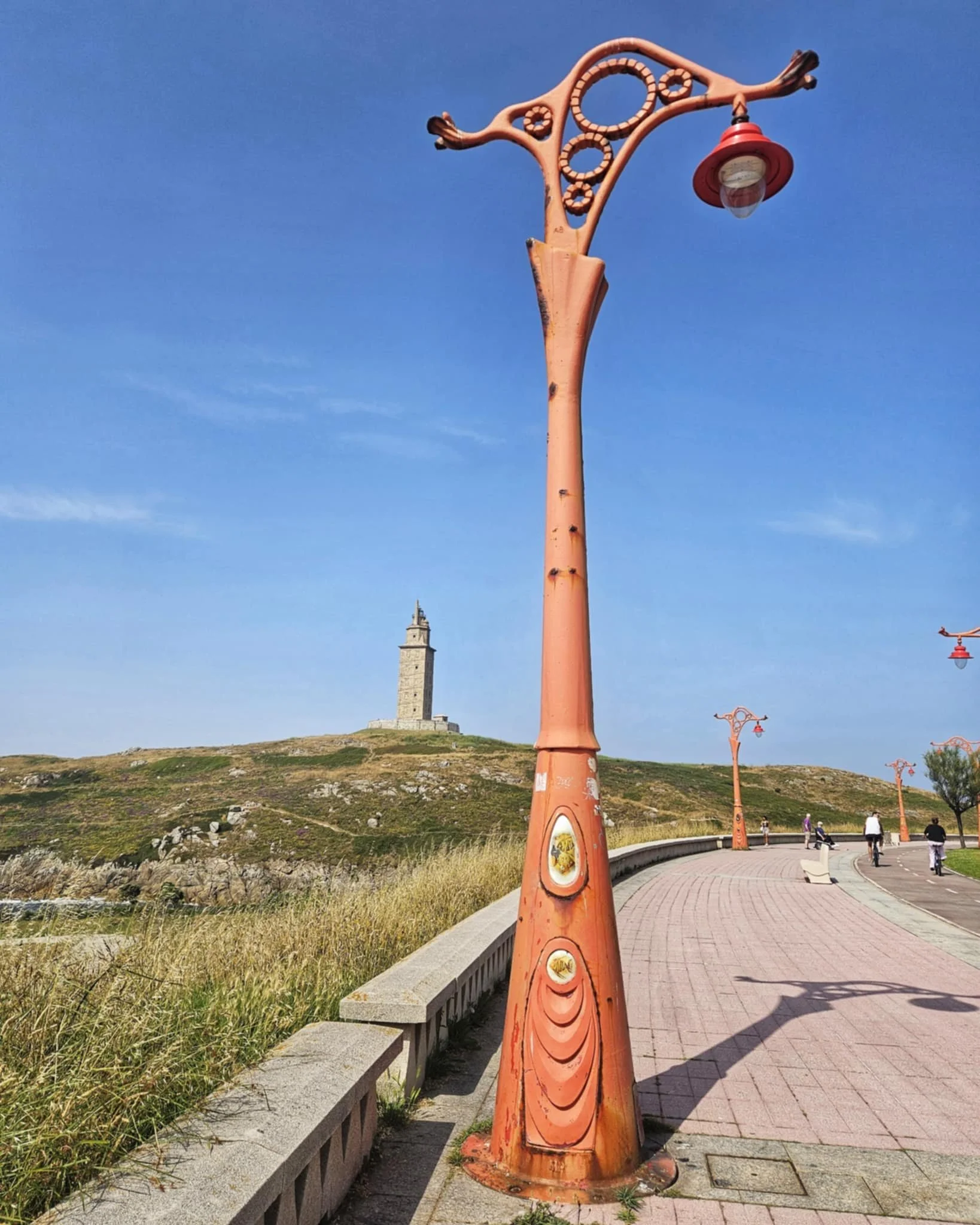
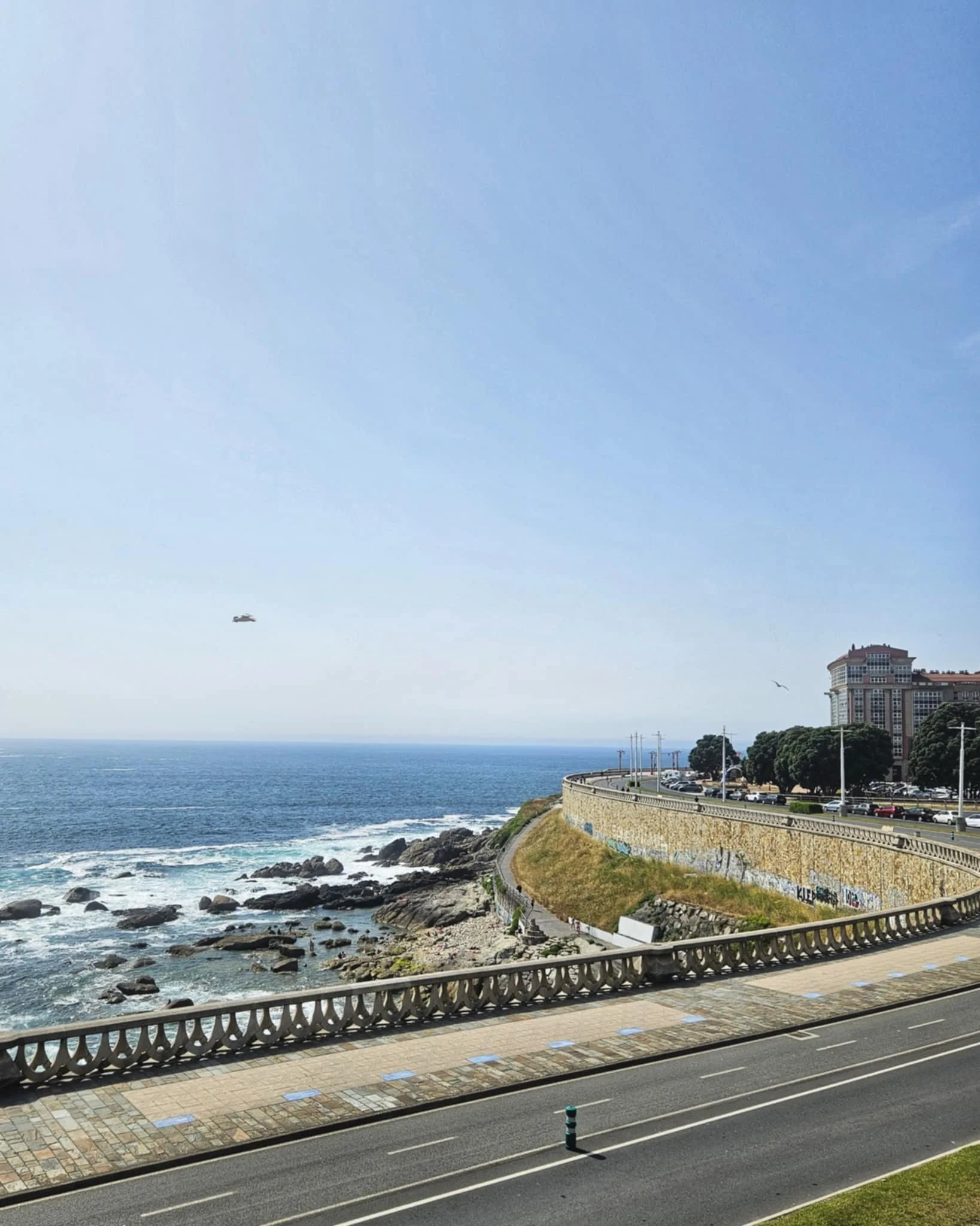
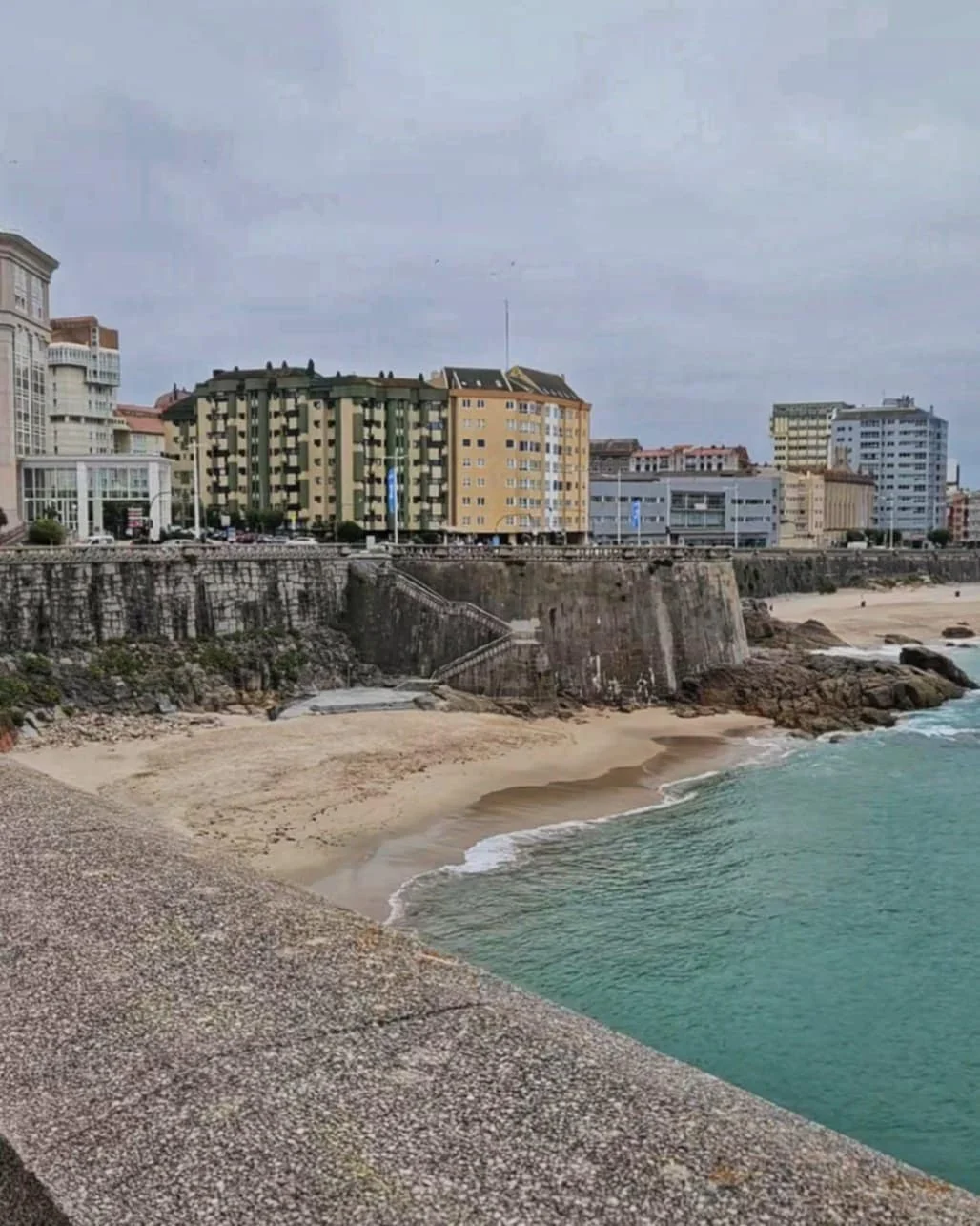
The Tower of Hercules is one of those places that really does live up to its reputation. Built by the Romans almost 2,000 years ago, it’s the oldest working Roman lighthouse in the world and still guiding ships today. You can walk around the base for coastal views or climb to the top if you’re feeling energetic. What we loved most was how naturally it fits into everyday life here. It isn’t fenced off or overhyped, it’s simply part of the landscape. Standing there, looking out over the Atlantic, you really feel how important this location has always been.
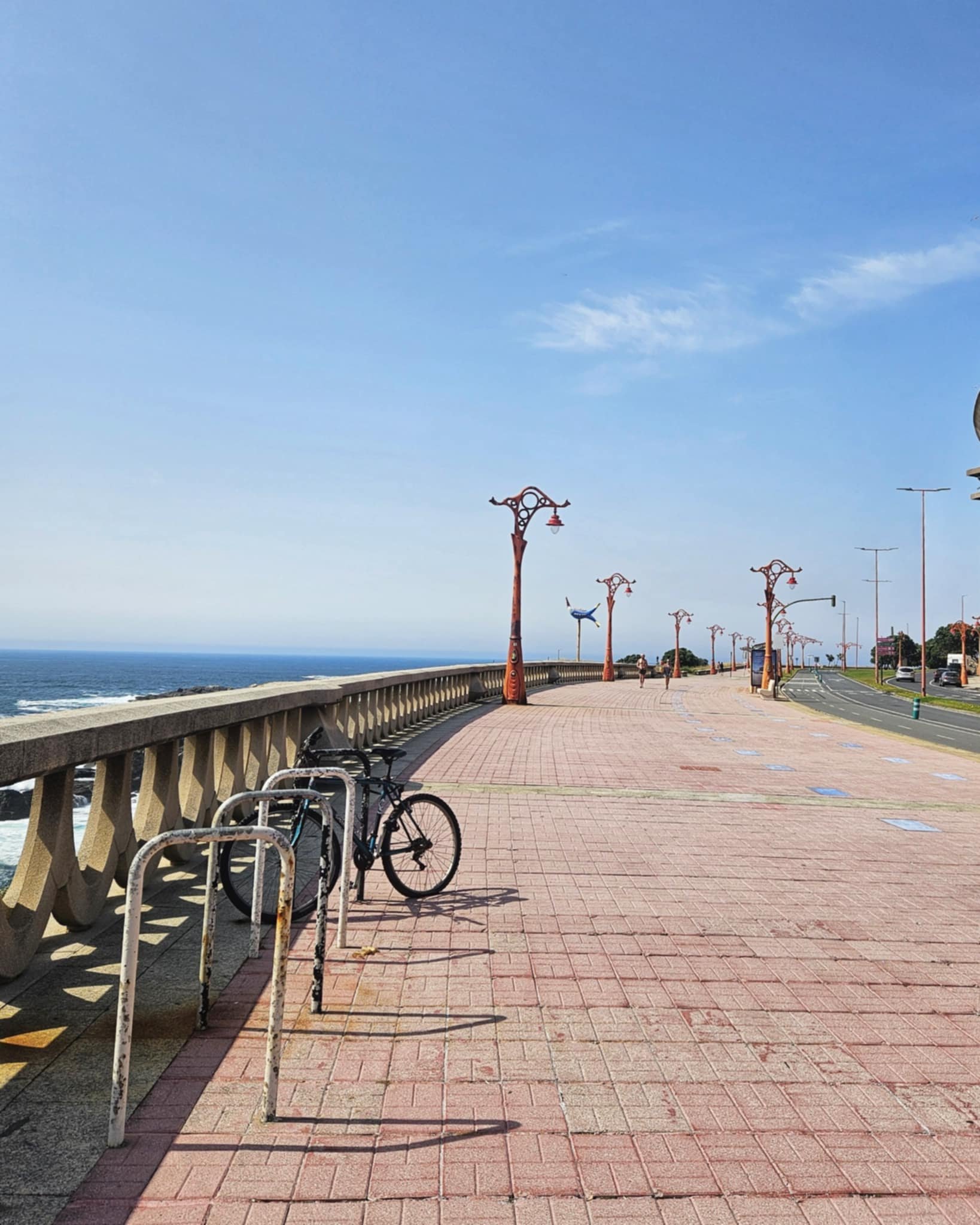
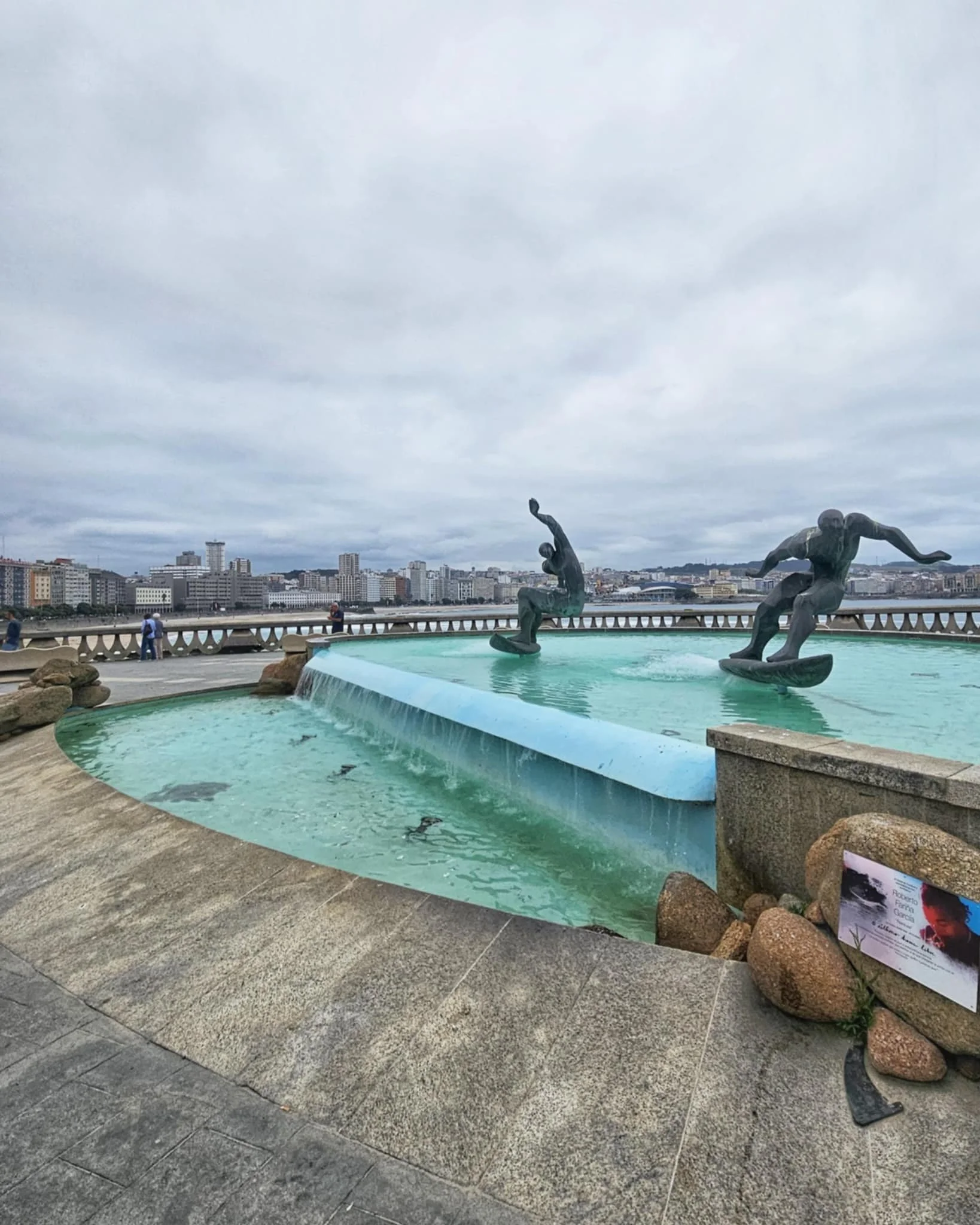
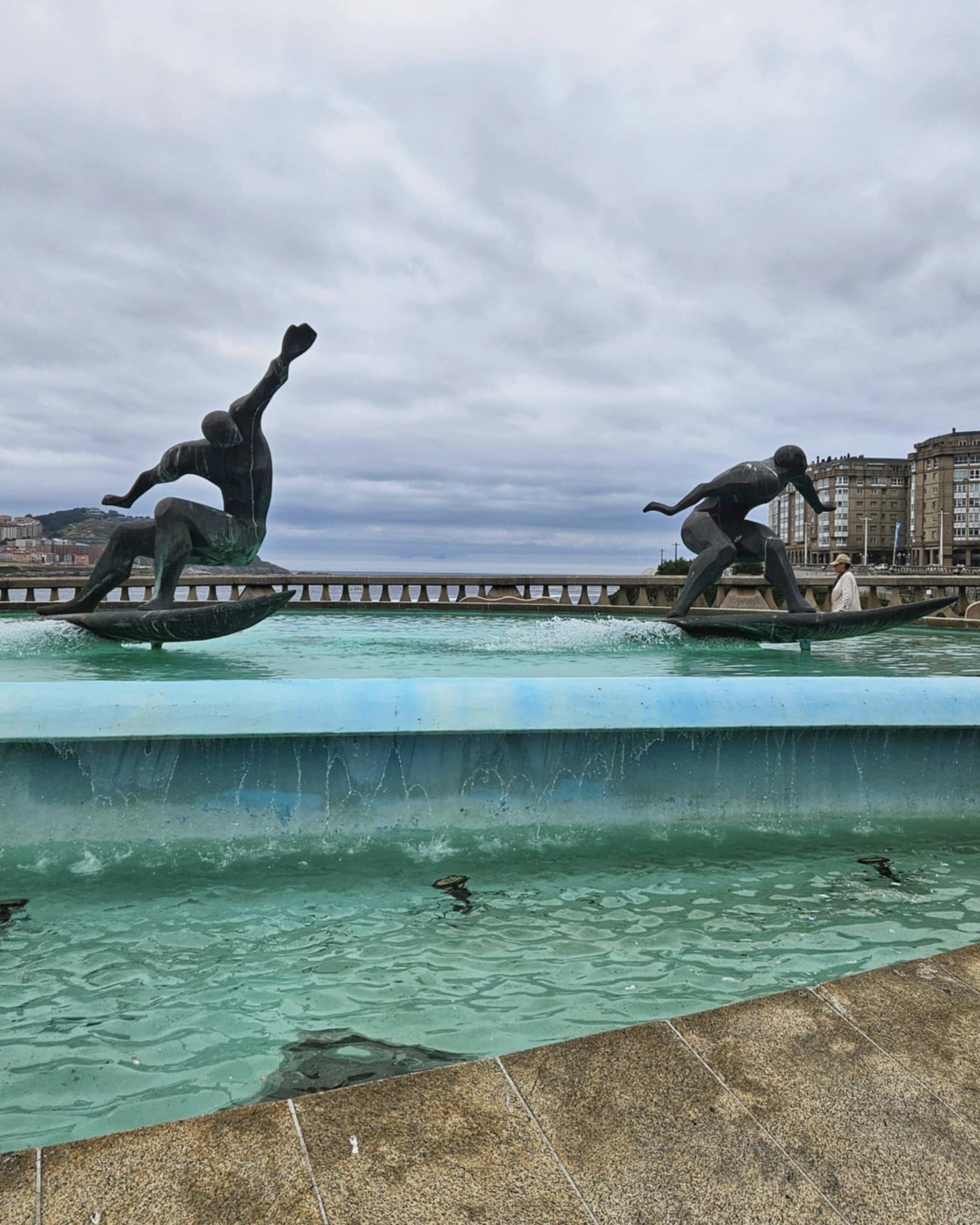
A Coruña’s maritime promenade wraps around the city for kilometres and is a joy to explore. It’s wide, flat and perfect for an easy walk, with beaches, rocky headlands and open ocean views all along the way. One fun detail to look out for is the surfistas statues, playful sculptures that celebrate the city’s strong surf culture and Atlantic lifestyle. Whether you’re walking, sitting on a bench or just watching locals go about their day, this promenade is a big part of what makes A Coruña feel so open and welcoming.
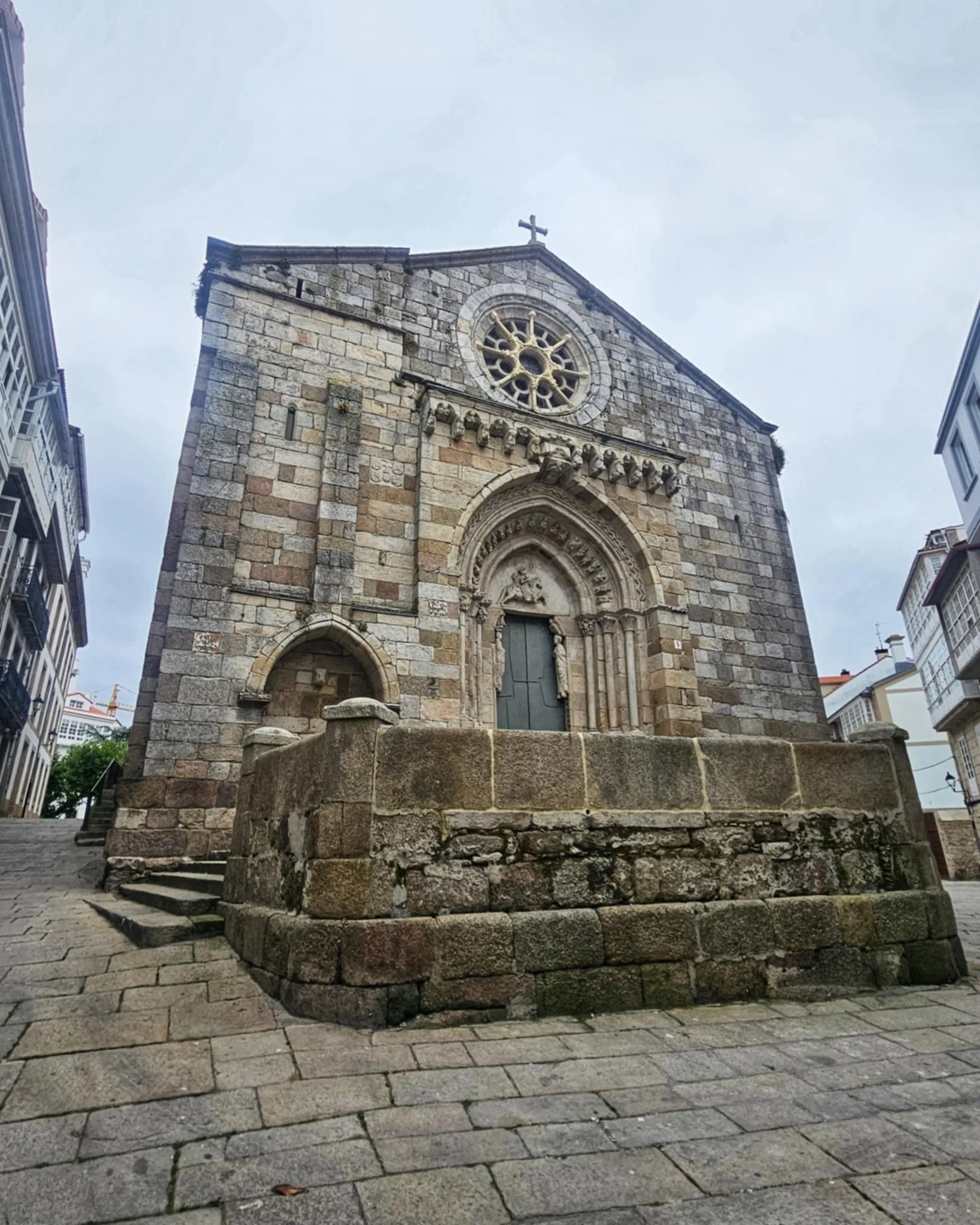
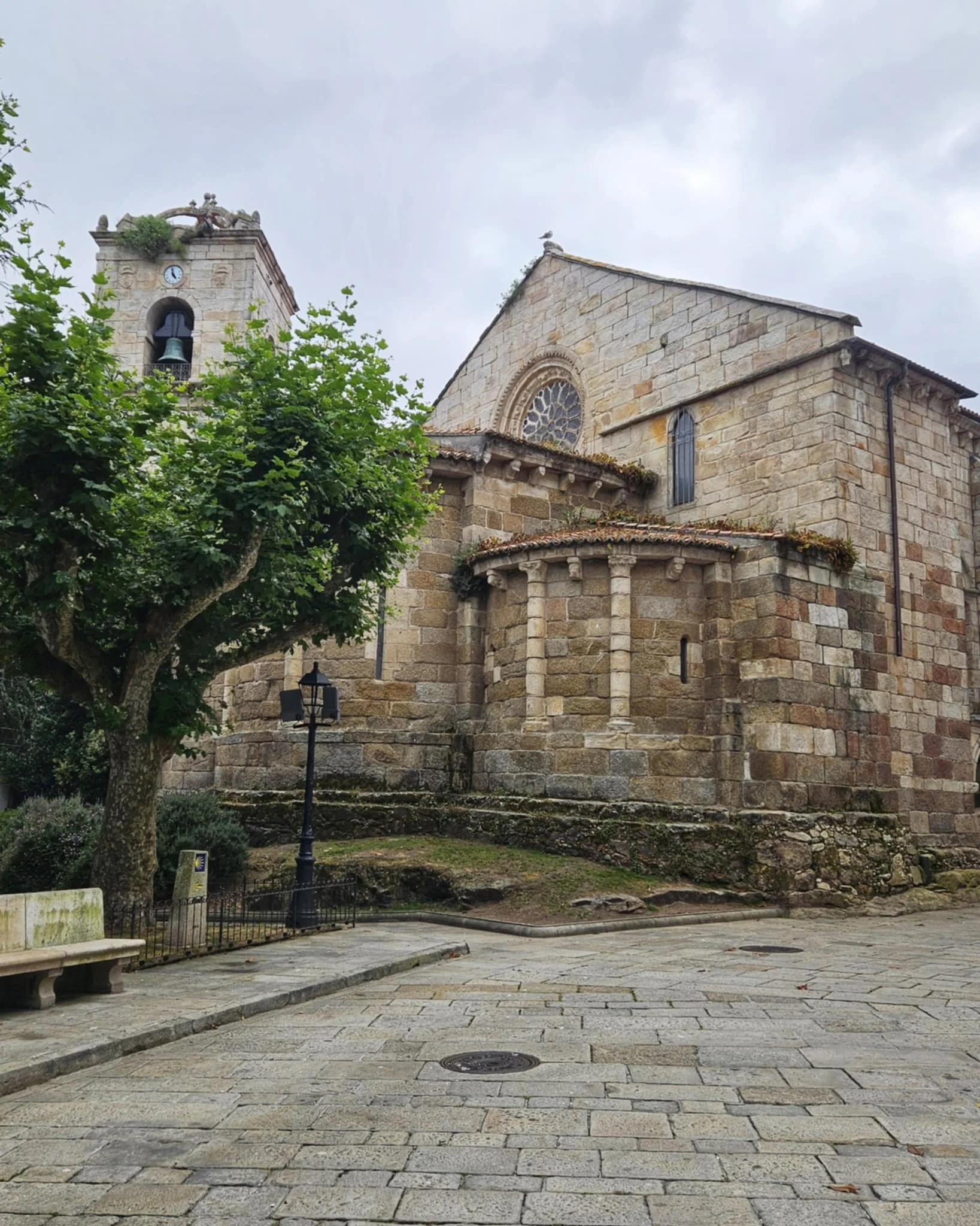
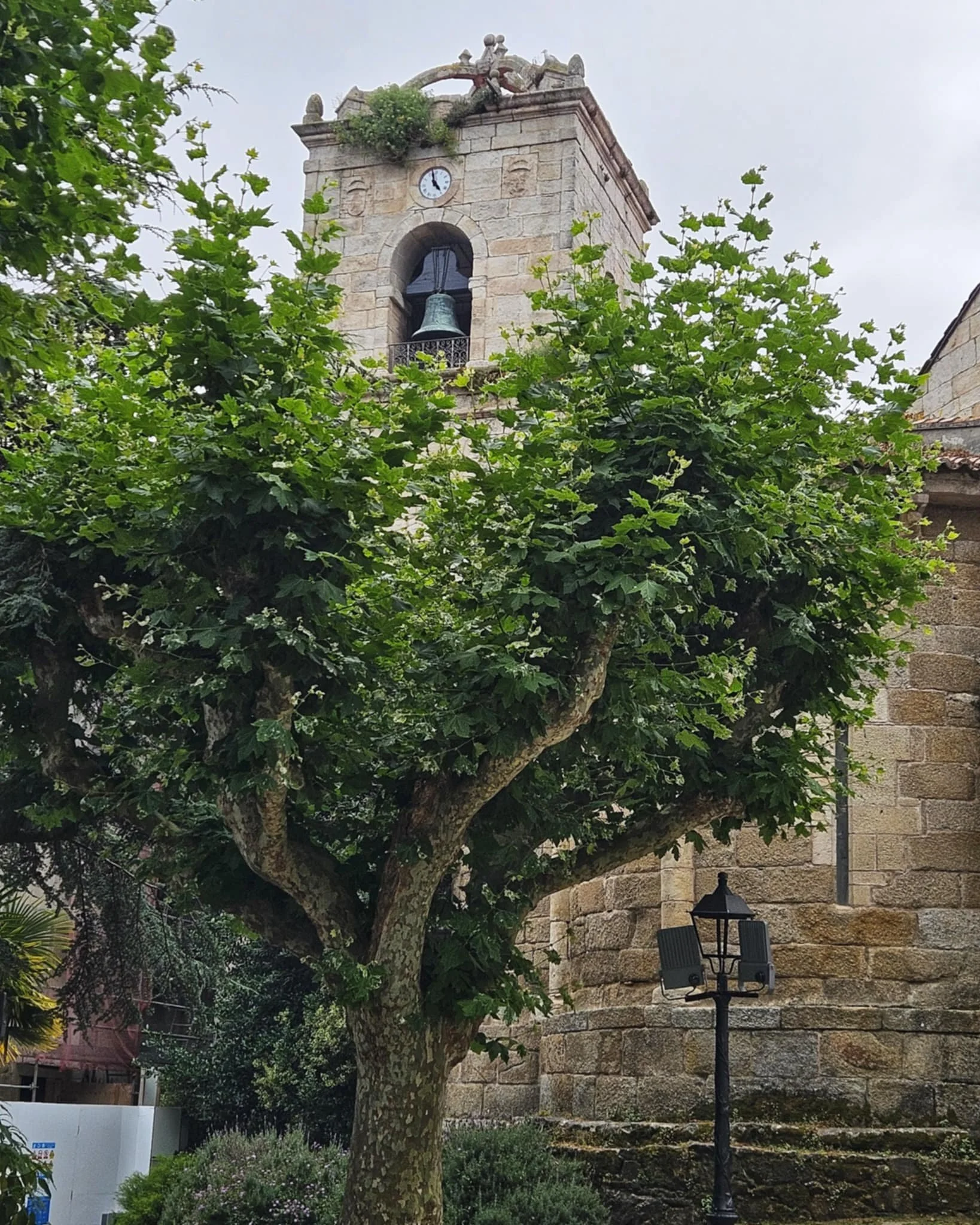
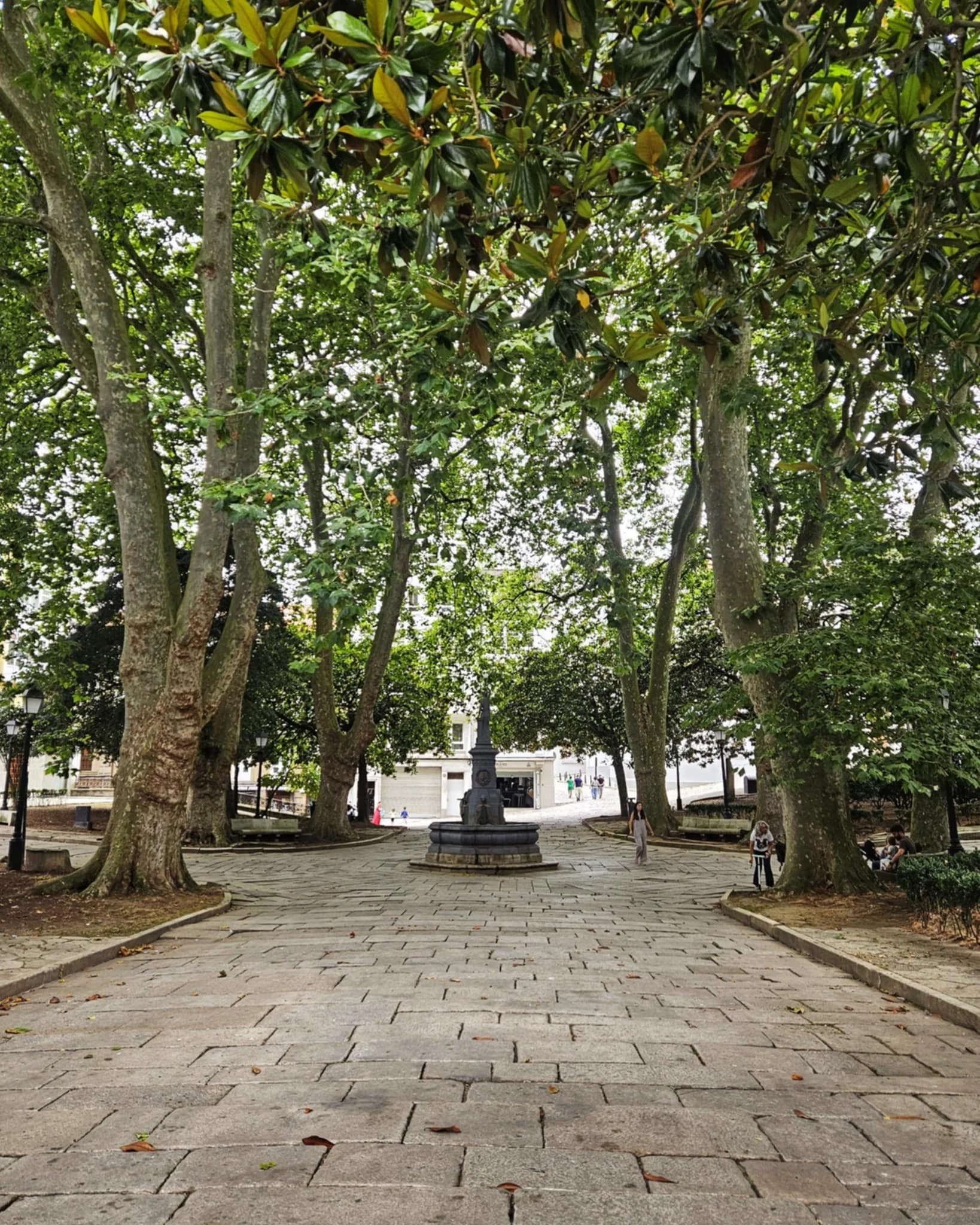
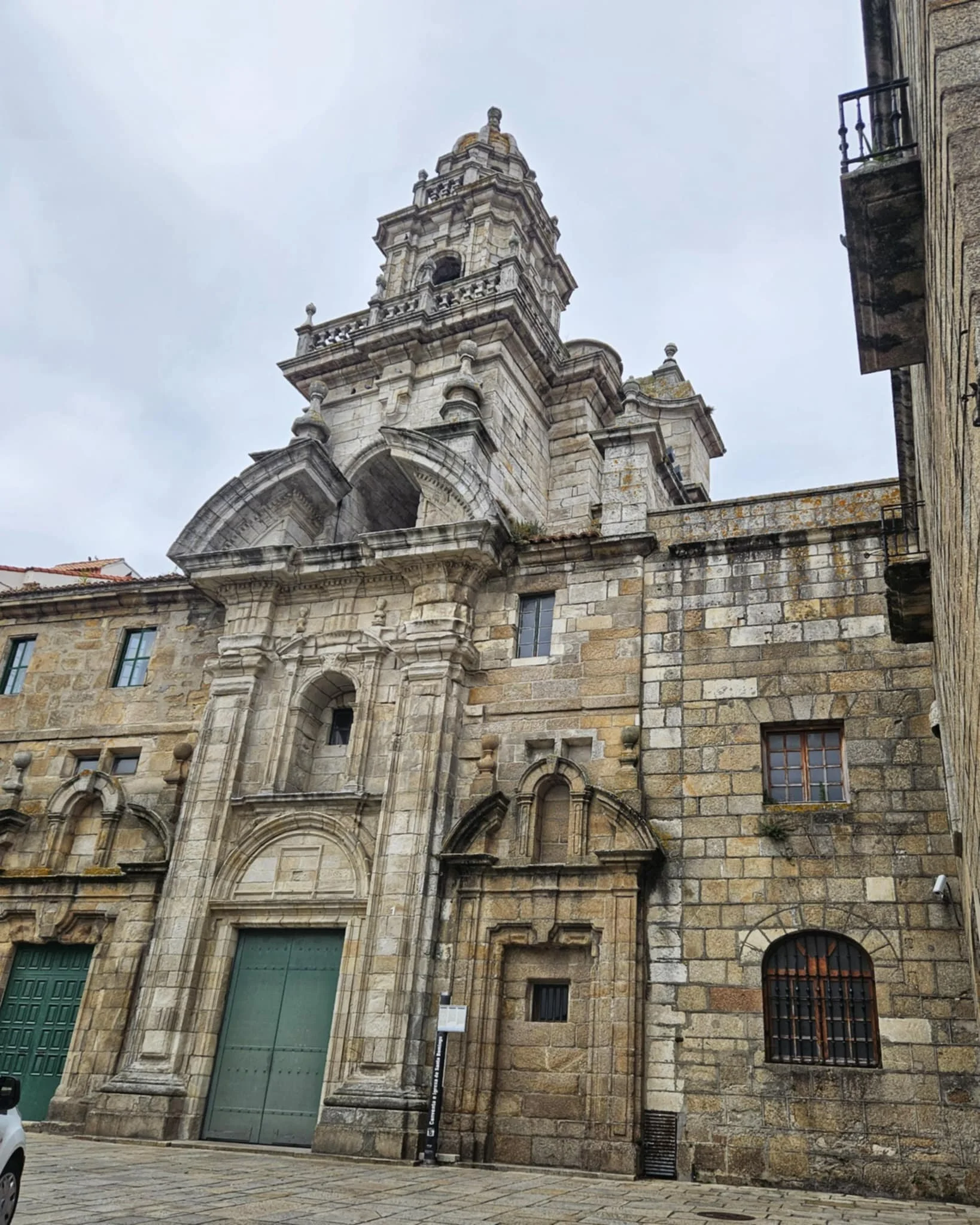
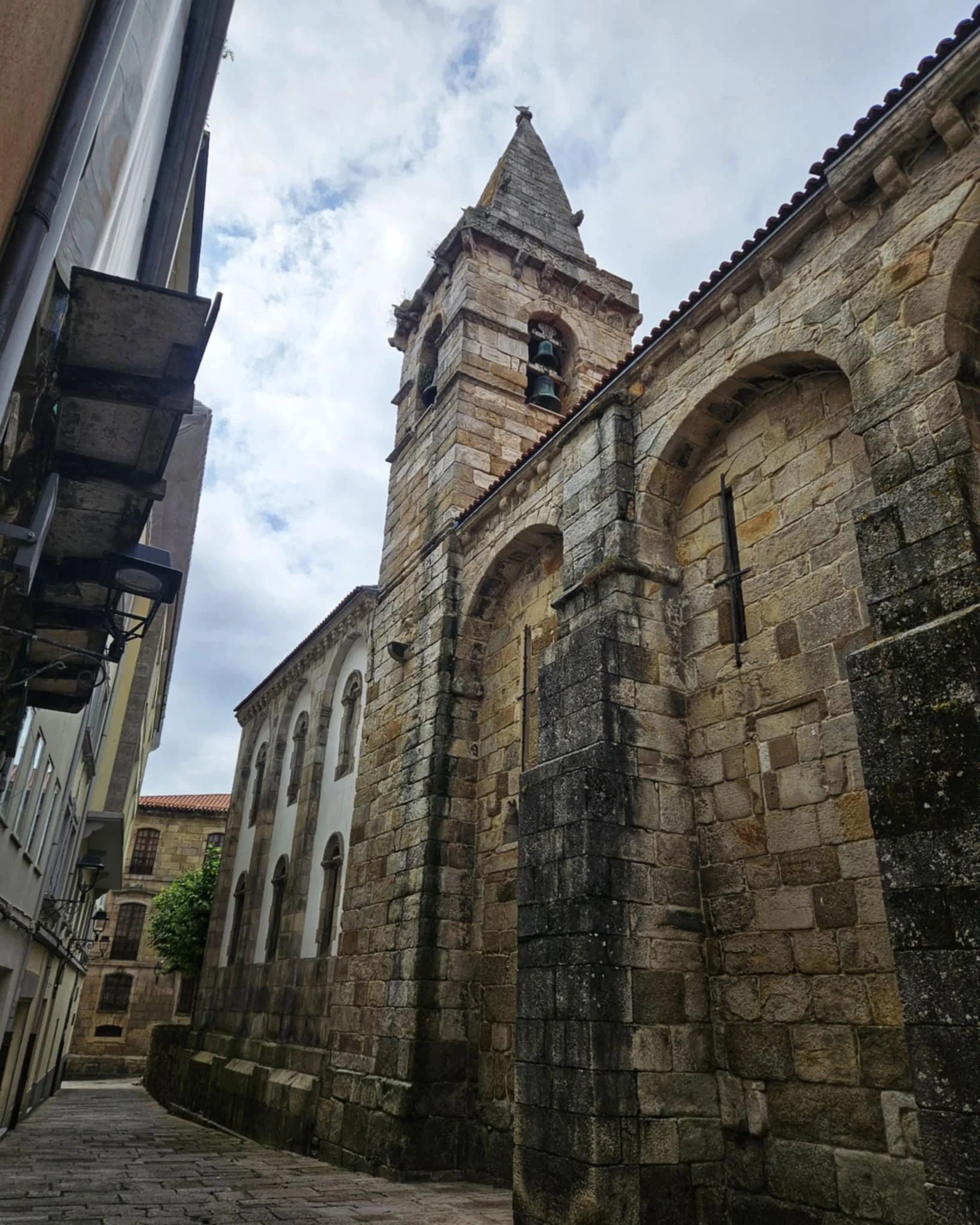
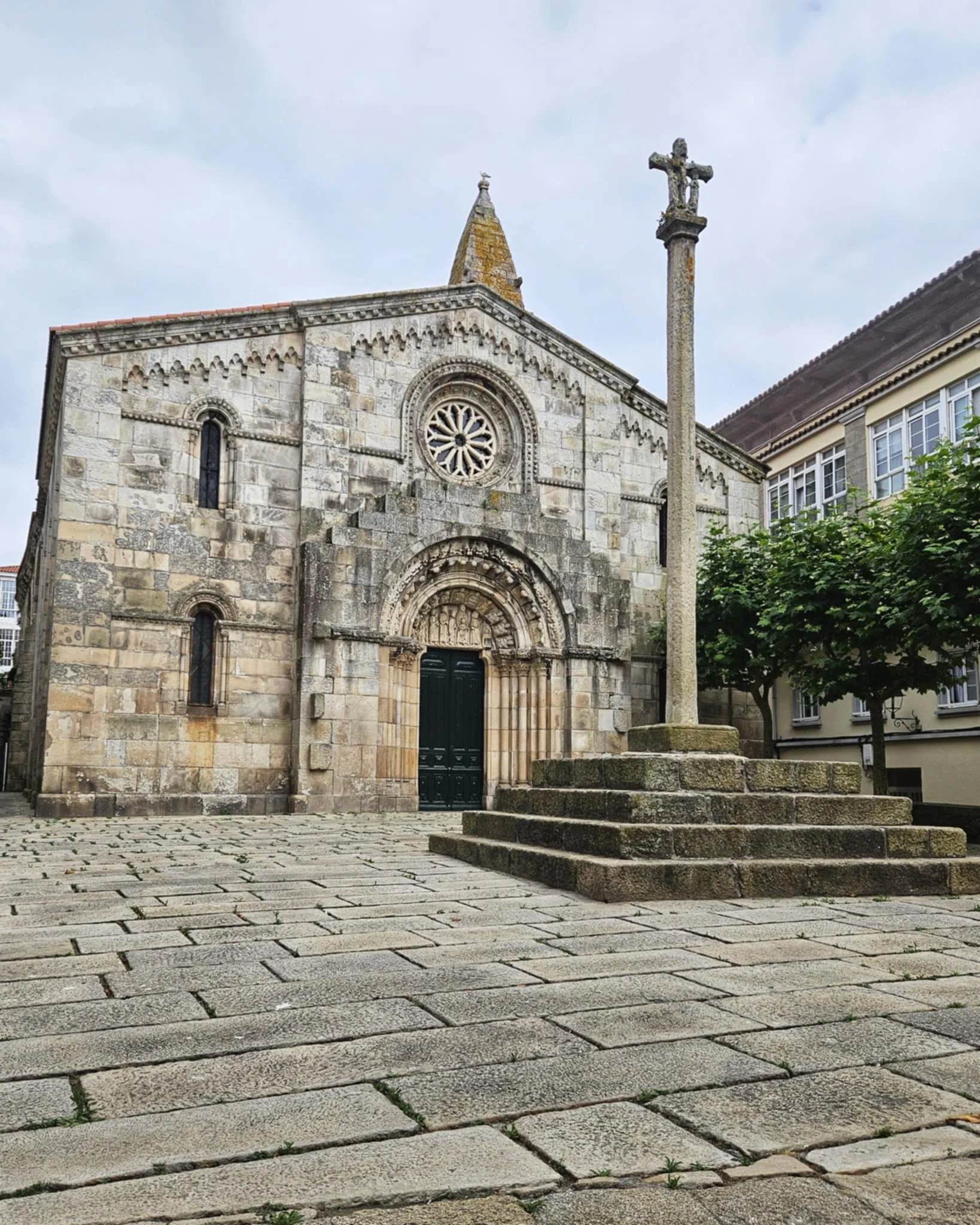
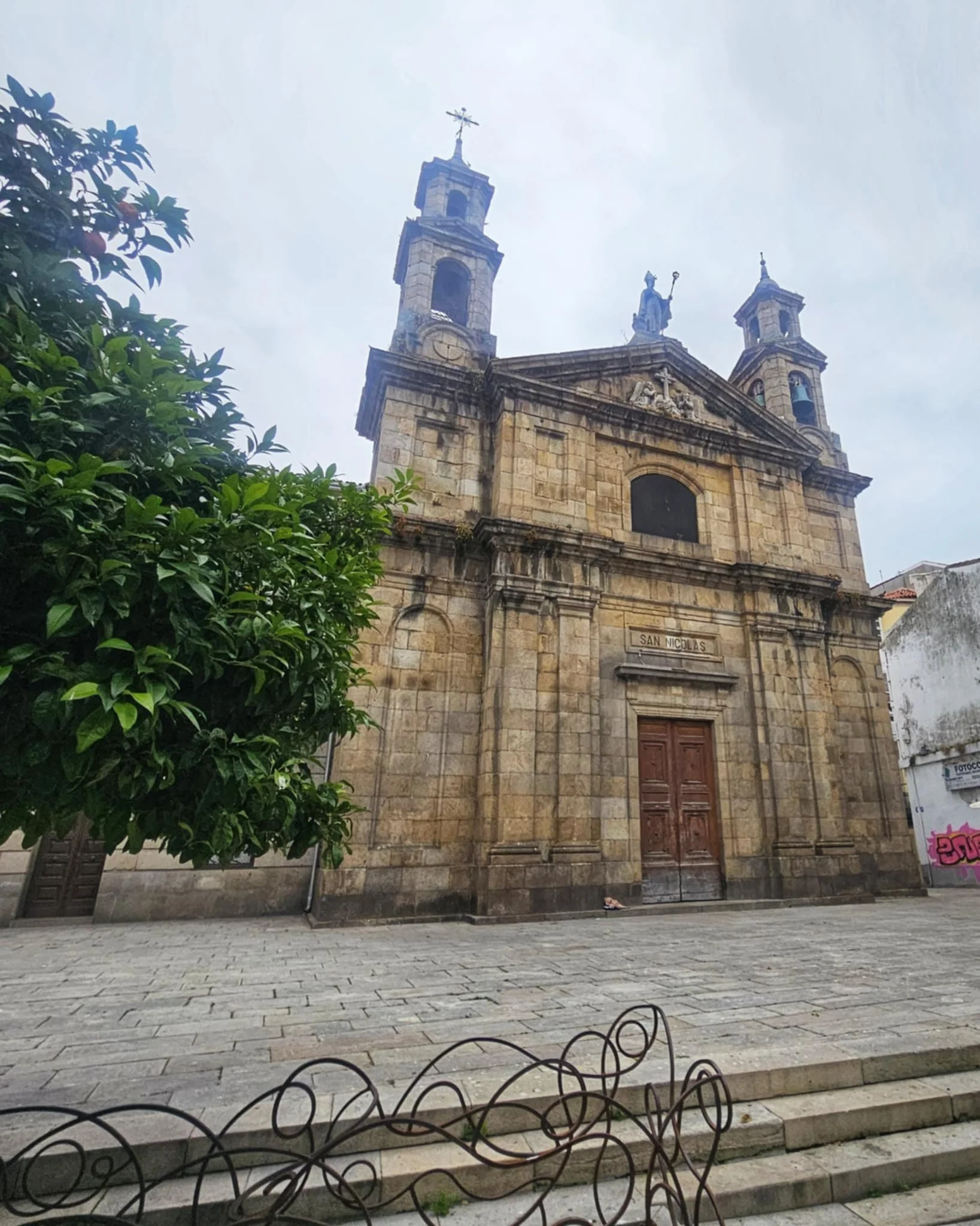
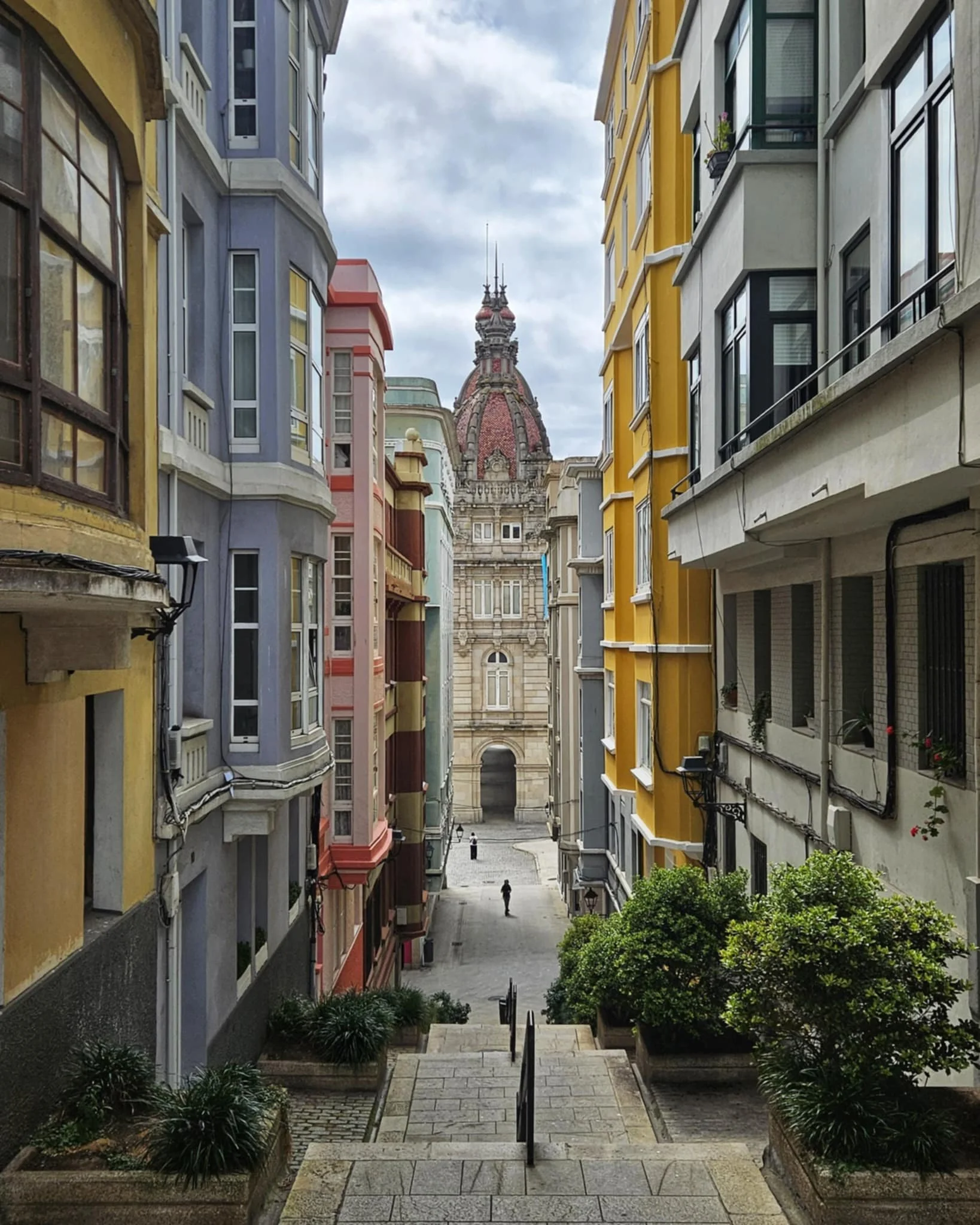
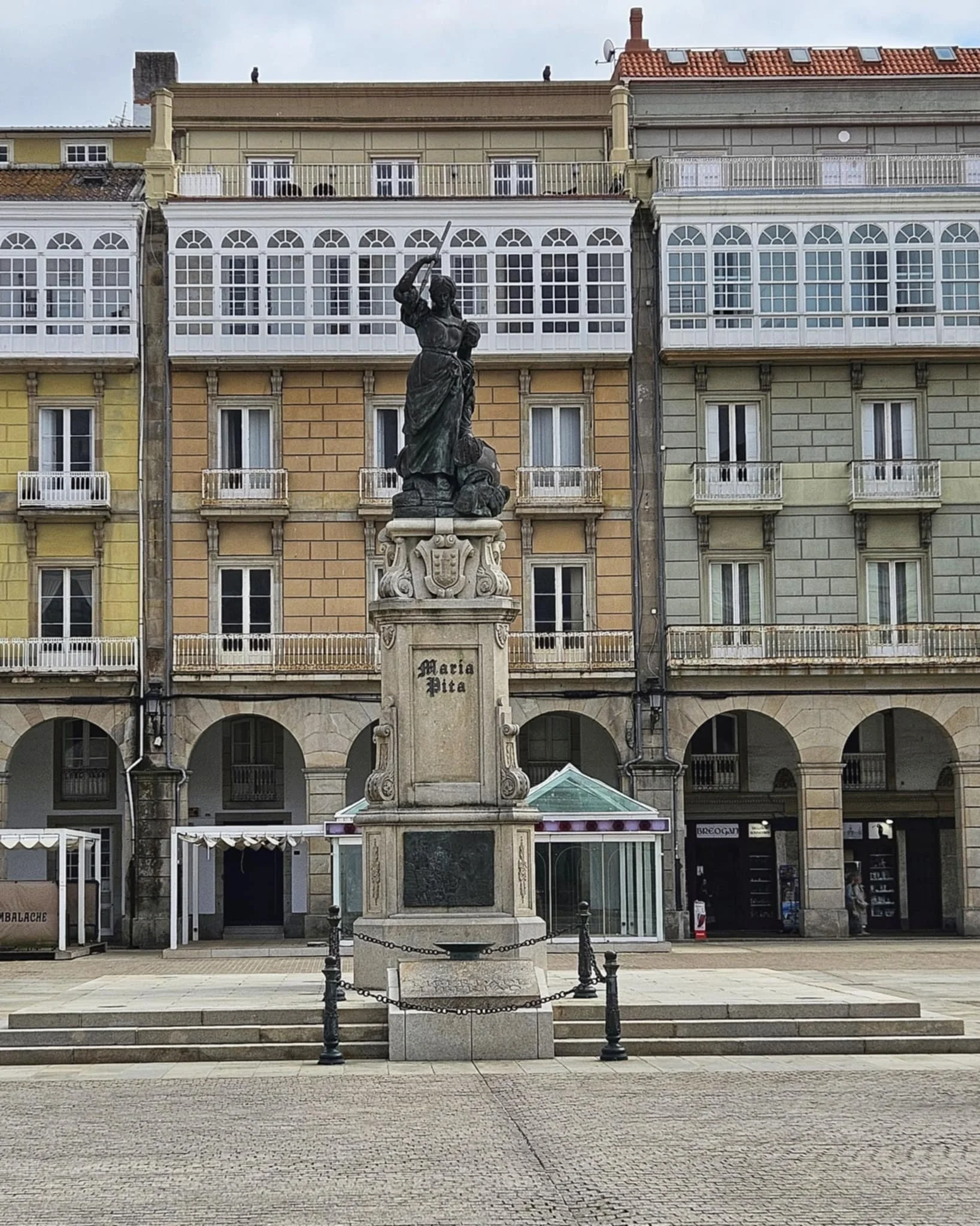
The Old Town, known as Ciudad Vieja, is where A Coruña’s story really comes together. Narrow streets wind past old stone houses, small squares and historic buildings, all within easy walking distance. The area around Plaza de María Pita is especially impressive, with its grand architecture and strong sense of local pride. This is a lovely place to slow down, wander without a plan and imagine what life might have been like when sailors, merchants and traders filled these streets centuries ago.
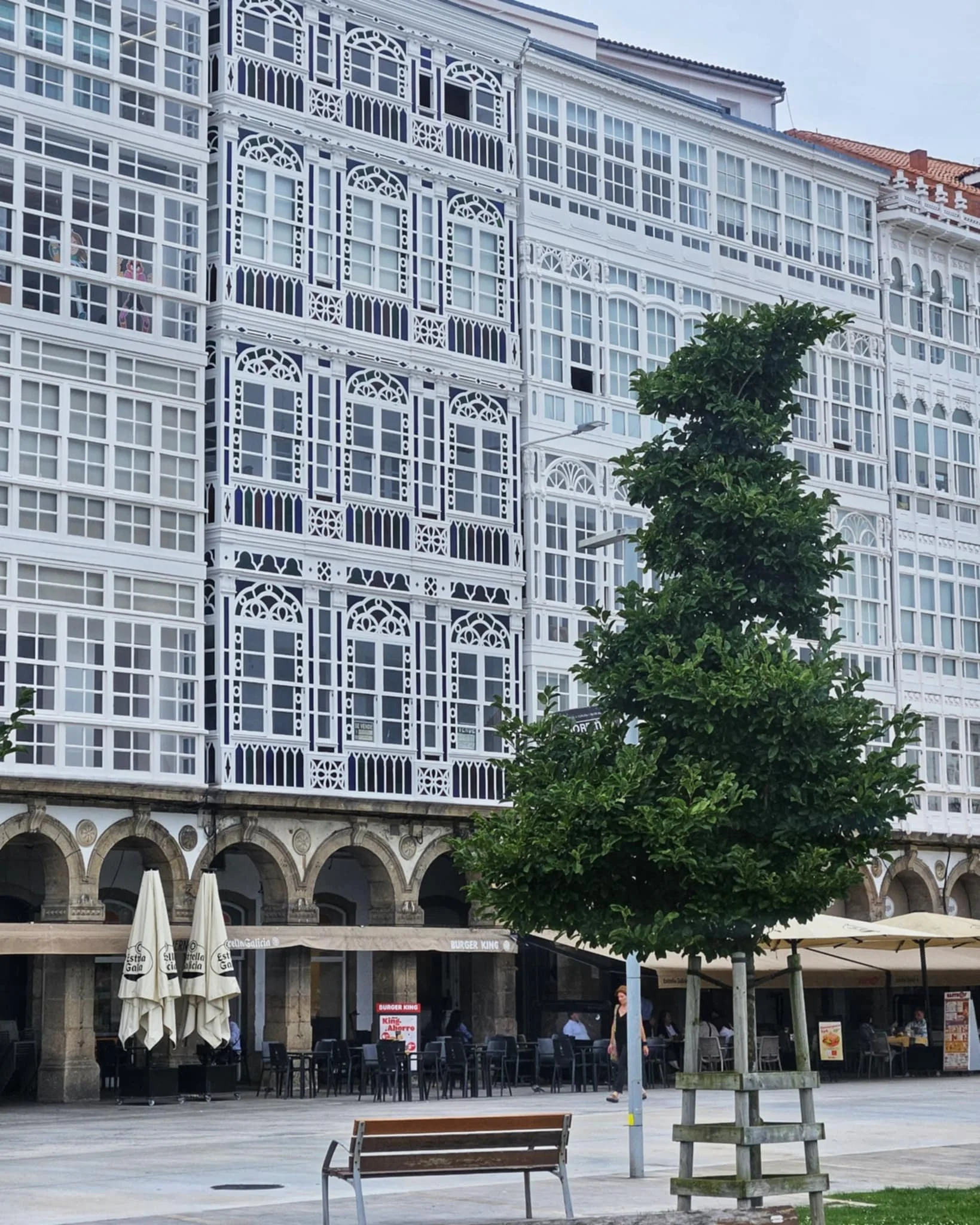
One of the most distinctive sights in A Coruña is the row of glass-fronted buildings along the waterfront, particularly around Avenida de la Marina. These enclosed balconies were originally designed to let in as much light as possible during wet, windy winters, and they give the city its nickname, the City of Glass. This area was historically the merchant quarter, and you can still sense that trading past in the grand buildings and wide streets. It’s a great place for a slow wander, especially in the late afternoon when the light reflects off the glass and the harbour.
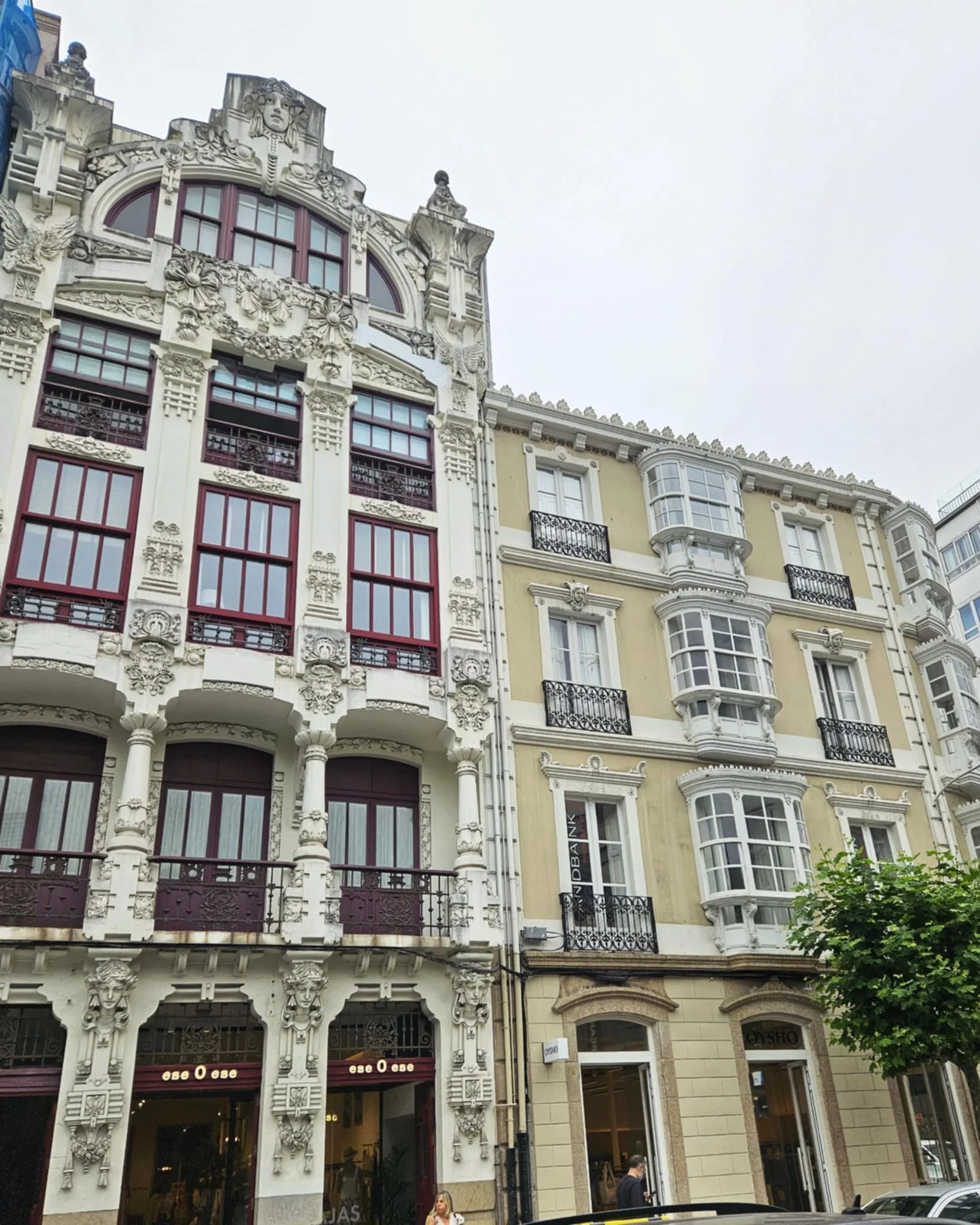
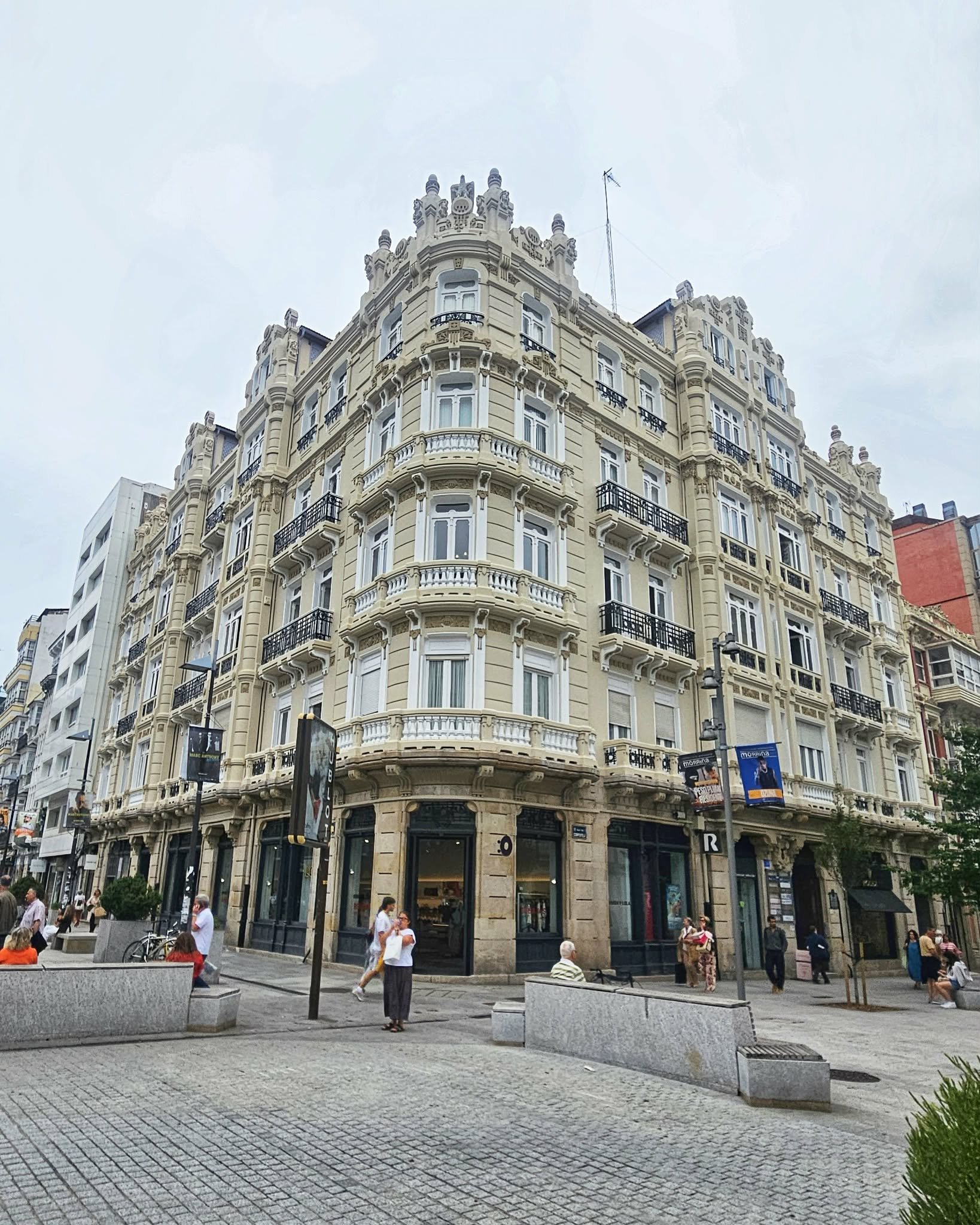
When evening rolls around, A Coruña really comes alive aroundl Rua Barrera, Calle Real and the surrounding streets. This is one of the best areas to sample Galician tapas, hopping from bar to bar and sharing plates rather than settling in one place. Expect fresh seafood, simple flavours done well, and plenty of local wine and beer. It’s lively without being overwhelming, and very social. Exactly the kind of place where one glass turns into two and suddenly you’re planning what to order next.
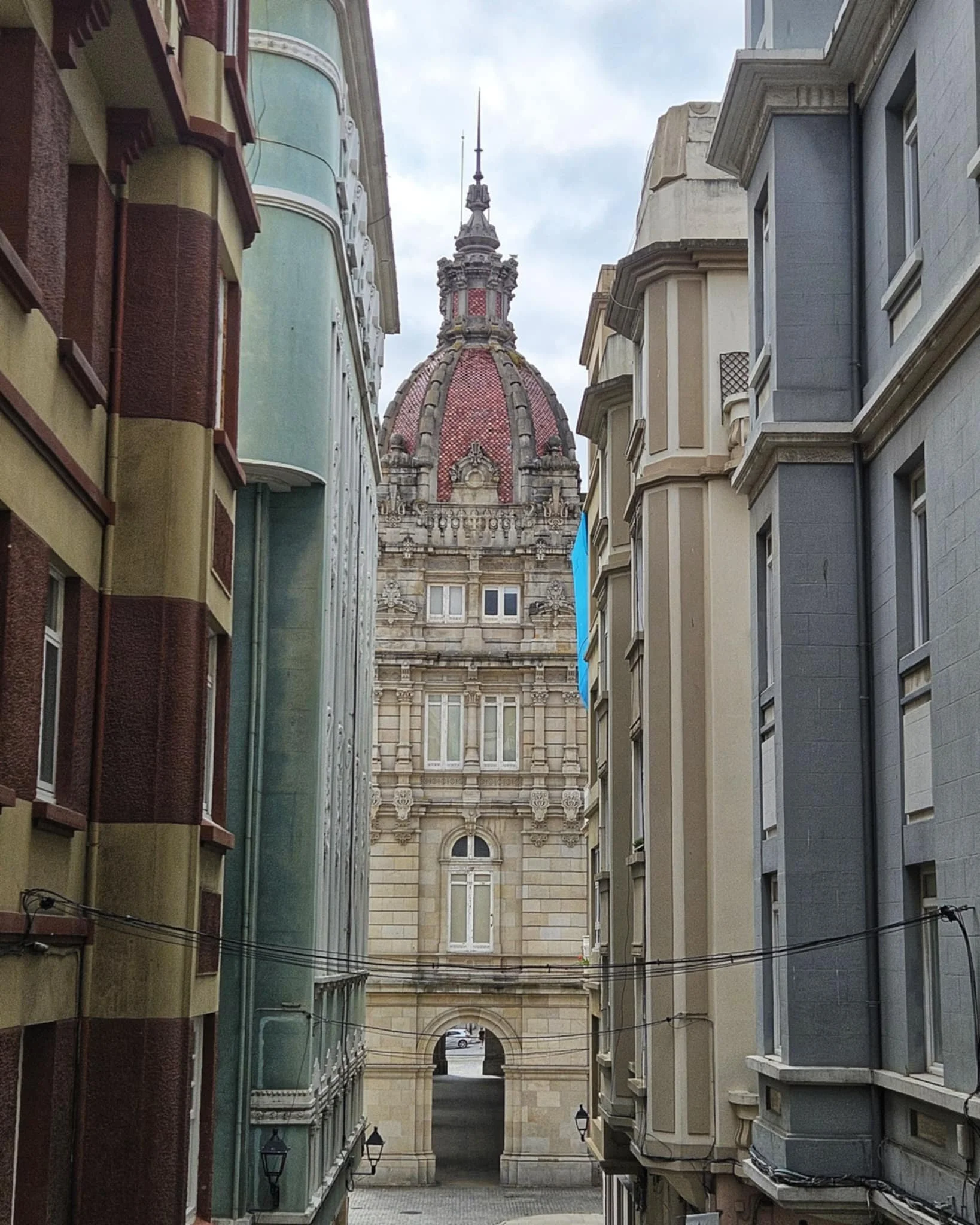
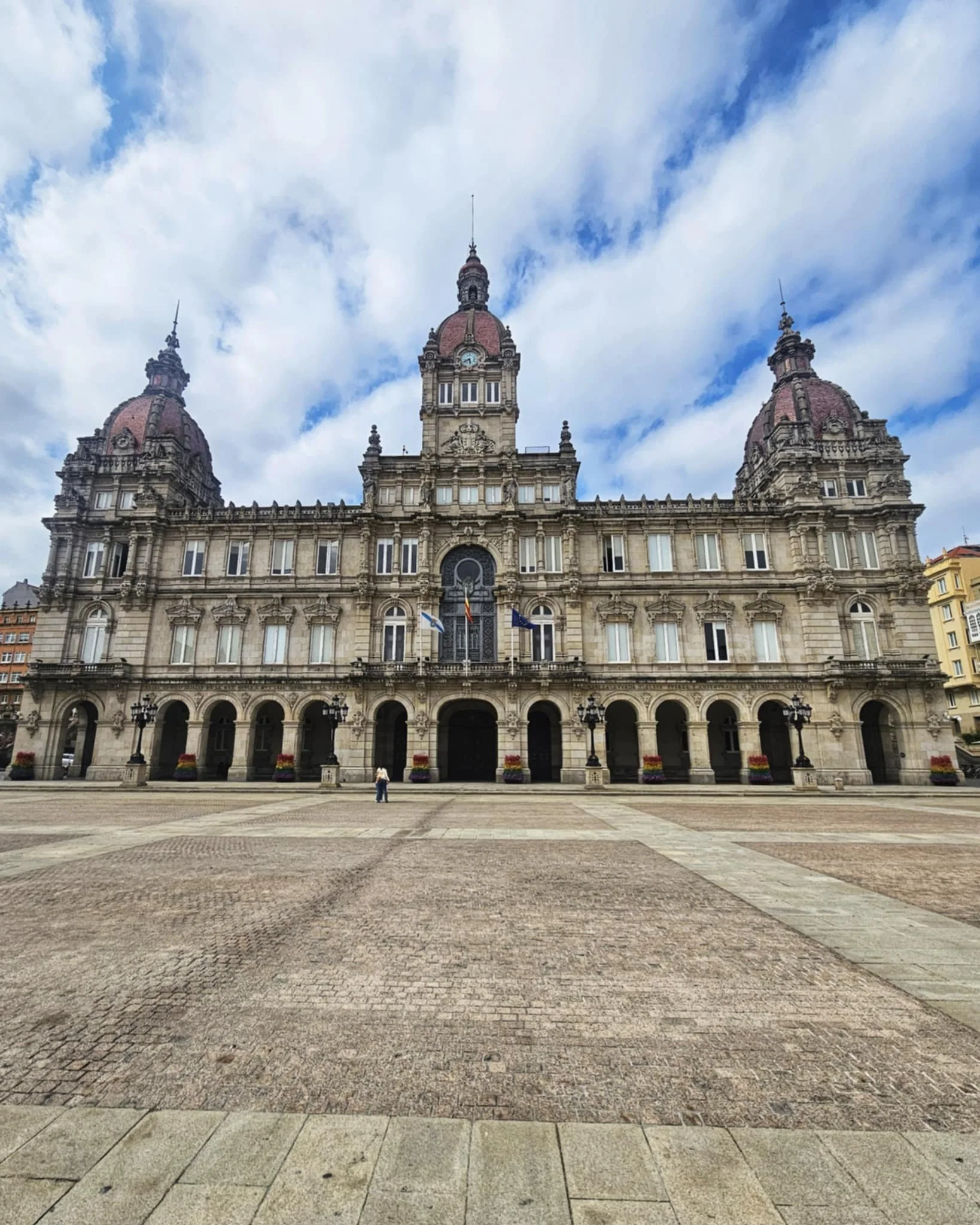
A Coruña is one of those cities that surprises you in the best possible way. It’s easy to explore on foot, rich in history without feeling heavy, and beautifully connected to the sea. Between the Roman lighthouse, long coastal walks, character-filled old town and relaxed tapas scene, it’s a place where you can slow down, eat well and simply enjoy being there. We left feeling like we’d really experienced it, not rushed through it, and that’s always a good sign.